



Your Company Logo
Home Destinations Tour Packages Travel Info About Us Contacts
Zanzibar Zanzibar Zanzibar Zanzibar

Zanzibar & The Coast

Where the Indian Ocean meets a thousand years of history.

Why Zanzibar?

Zanzibar — the Spice Island — is a place that exists at the beautiful intersection of Africa, Arabia, India, and Persia. Rising from the warm turquoise waters of the Indian Ocean just 35 kilometres off the Tanzanian coast, this ancient archipelago has drawn traders, explorers, and travellers for over a thousand years, each leaving a trace in its food, its architecture, and its soul.

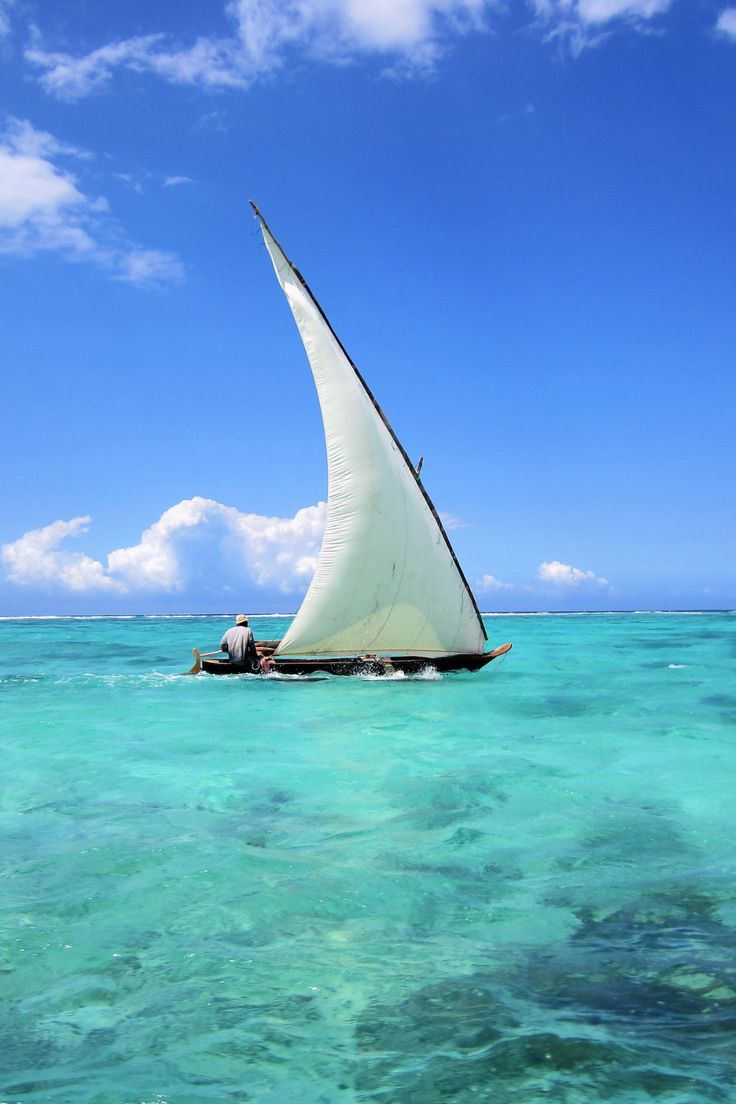
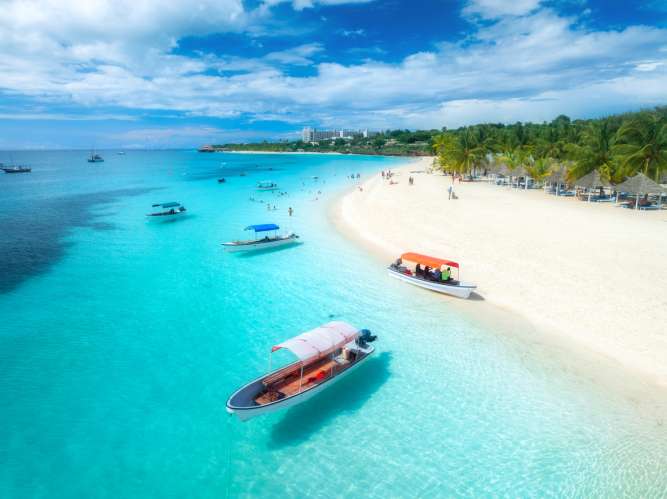
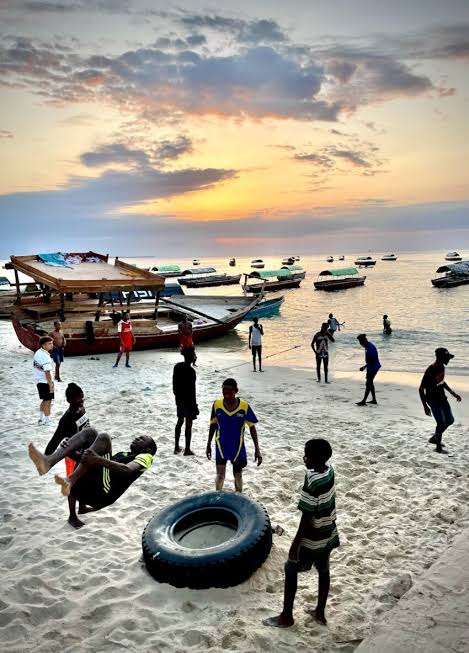
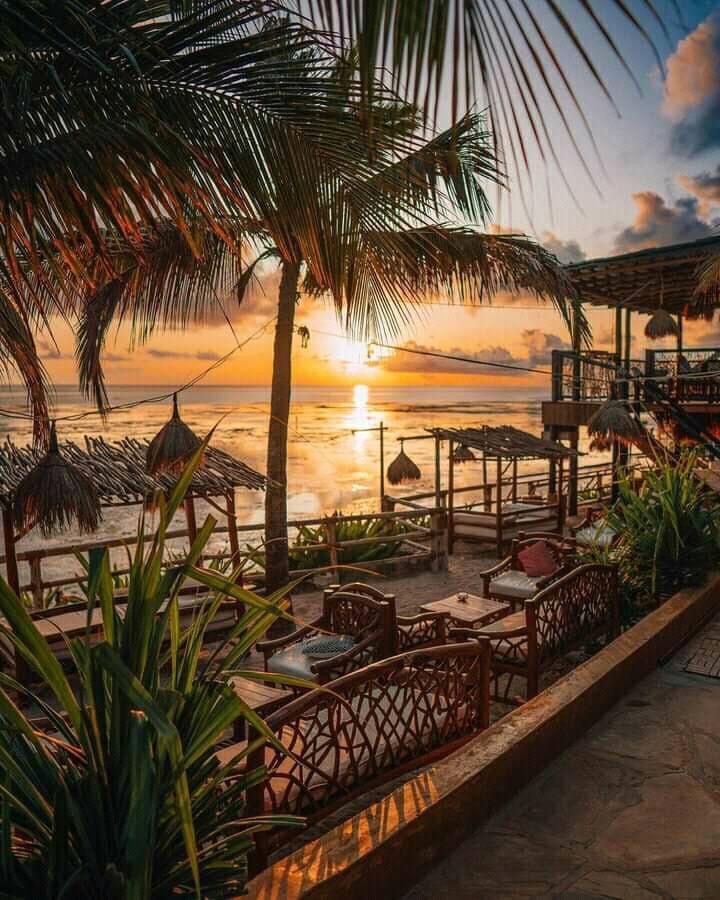
The island's east coast is lined with some of the finest beaches in the world — powder-white sand, crystal-clear shallows, and coral reefs alive with colour just beneath the surface. Whether you are snorkelling over vibrant reef gardens at Mnemba Atoll, watching dhow sails silhouette against a flaming Indian Ocean sunset, or simply doing nothing at all beneath a swaying palm, Zanzibar delivers a level of beauty that feels almost unreasonable.

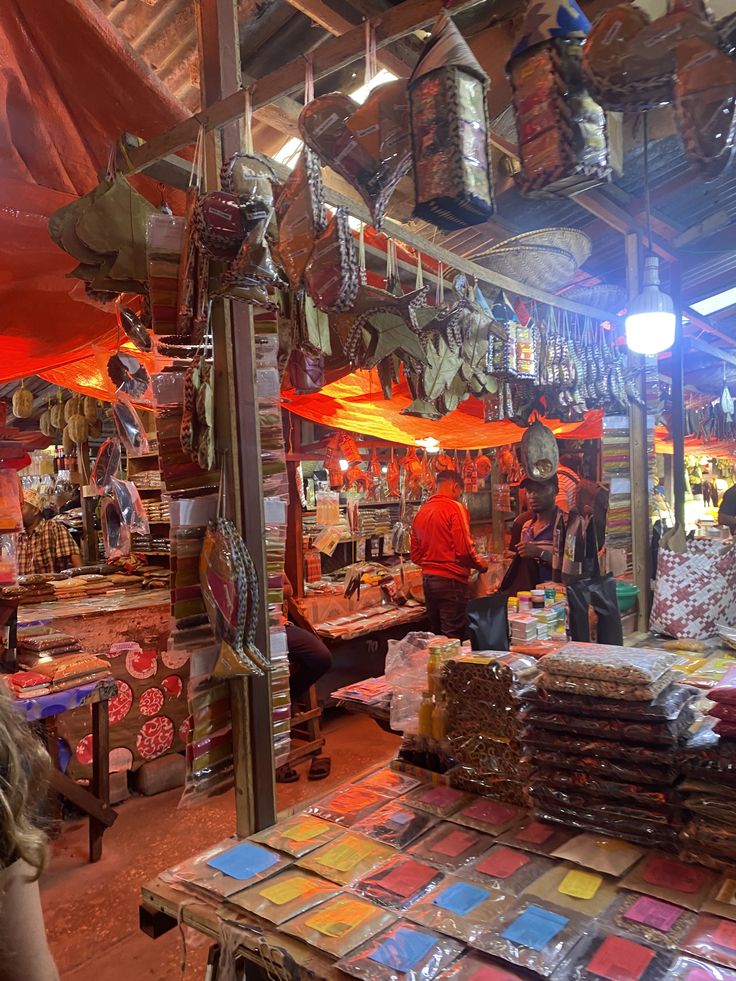
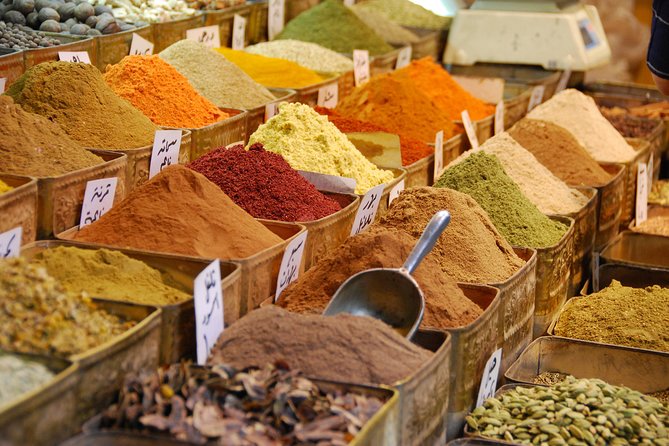
Beyond the beaches, Stone Town — a UNESCO World Heritage Site — pulls visitors deep into a labyrinth of carved wooden doors, crumbling coral-stone palaces, open-air spice markets, and narrow alleys that smell of cloves, cinnamon, and the sea. It is one of East Africa's most atmospheric and historically rich urban spaces, and a city that rewards the curious traveller at every turn.

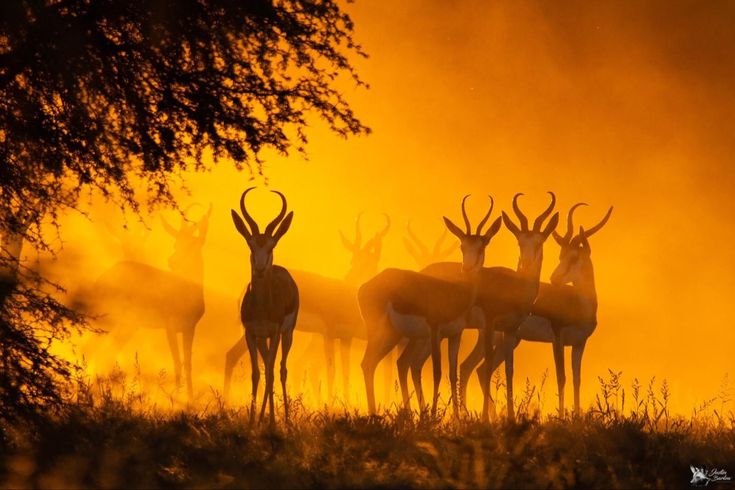
For most Tanzania safari travellers, Zanzibar serves as the perfect final chapter — a seamless transition from the dust and drama of the game parks to the languorous luxury of an Indian Ocean island escape. Few combinations in the world of travel are as satisfying, or as complete.

Zanzibar Defined

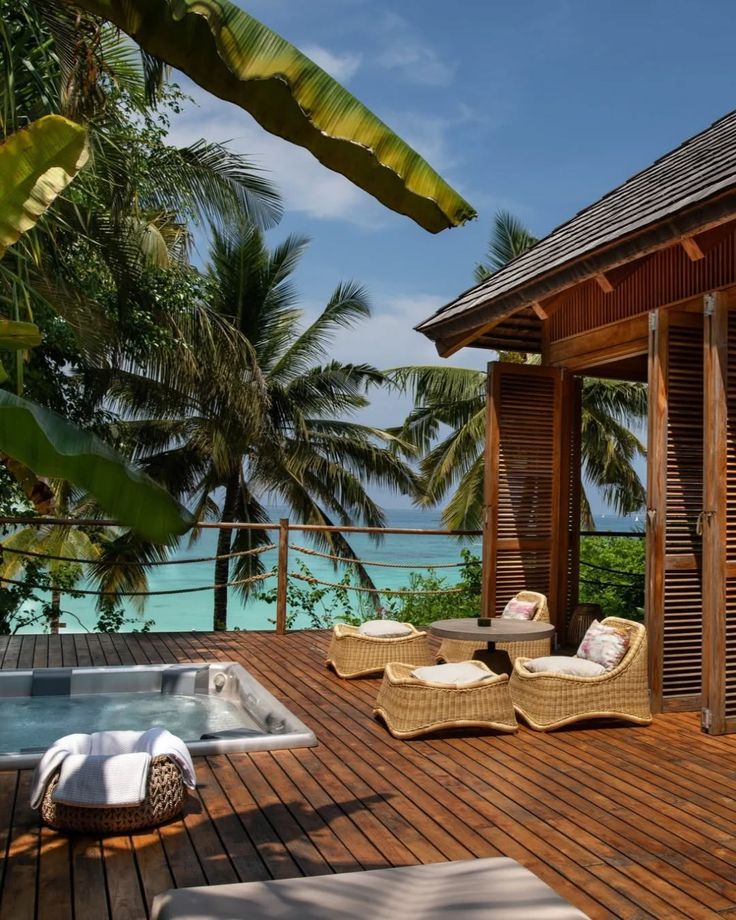
Zanzibar turquoise waters and white sand beach
Stone Town carved doors and coral architecture

Venture into the Island of Spices

The transition from safari to shore happens like a deep exhale. A short flight from Arusha or Dar es Salaam delivers you onto the island, and within moments the red dust of the savanna gives way to the salt air of the Indian Ocean. Overwater bungalows, reef-edge villas, and boutique Stone Town riads await — each one a different lens through which to experience an island that has never quite decided whether it belongs to Africa, Arabia, or somewhere entirely its own. On Zanzibar, the journey slows down on purpose.

The Zanzibar Allure

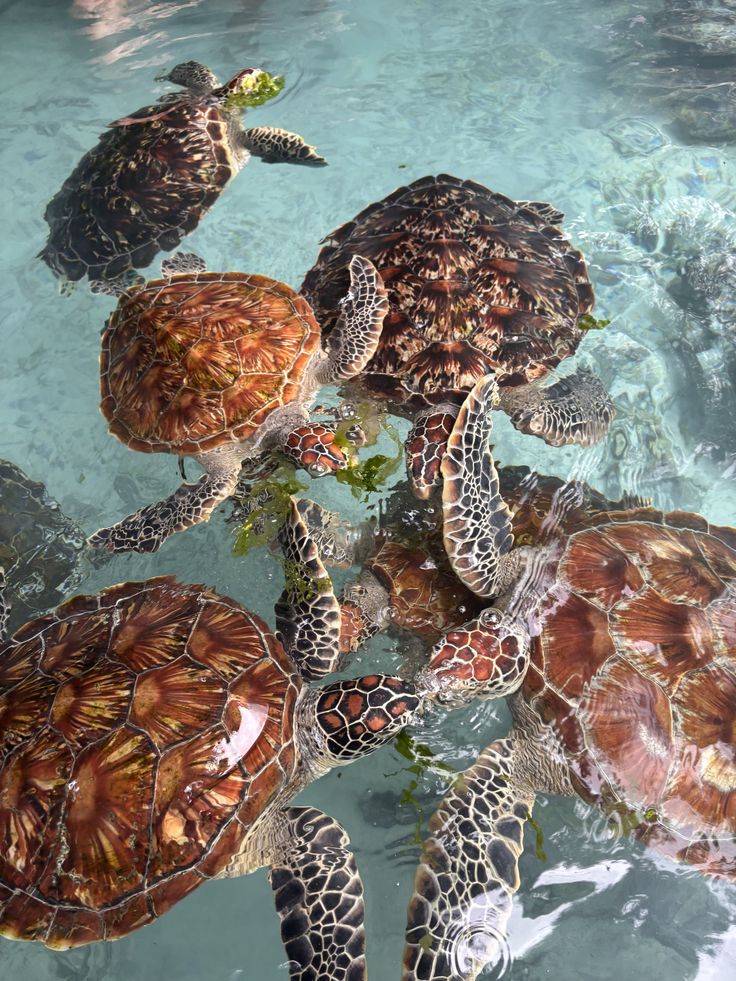
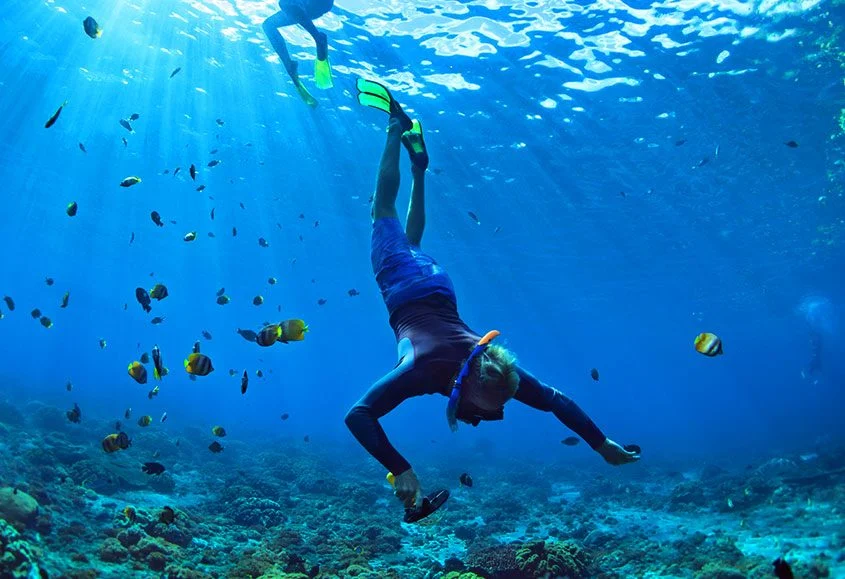
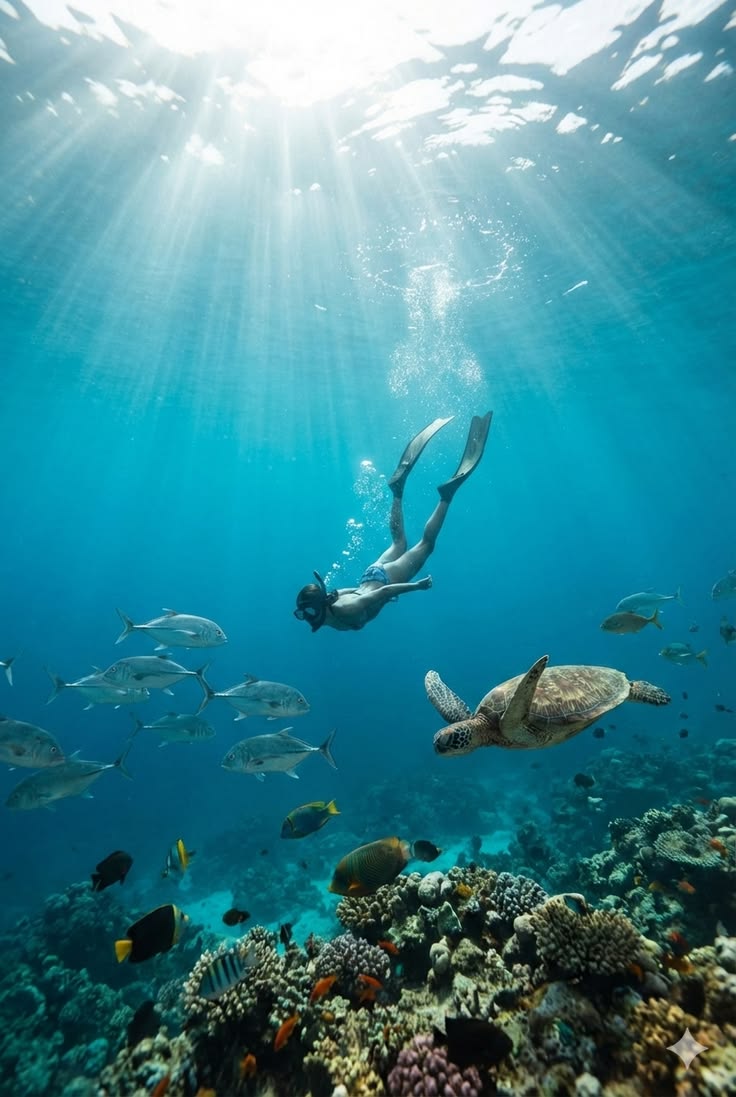
Mnemba Atoll Snorkelling

ICONIC ISLAND EXPERIENCE

Drift through Mnemba Atoll's crystal-clear waters among sea turtles, reef fish, and technicolour coral gardens in East Africa's finest marine reserve.

ZANZIBAR • TANZANIA

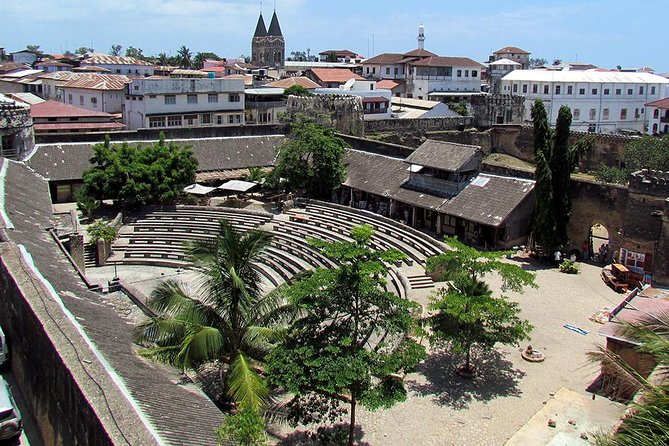
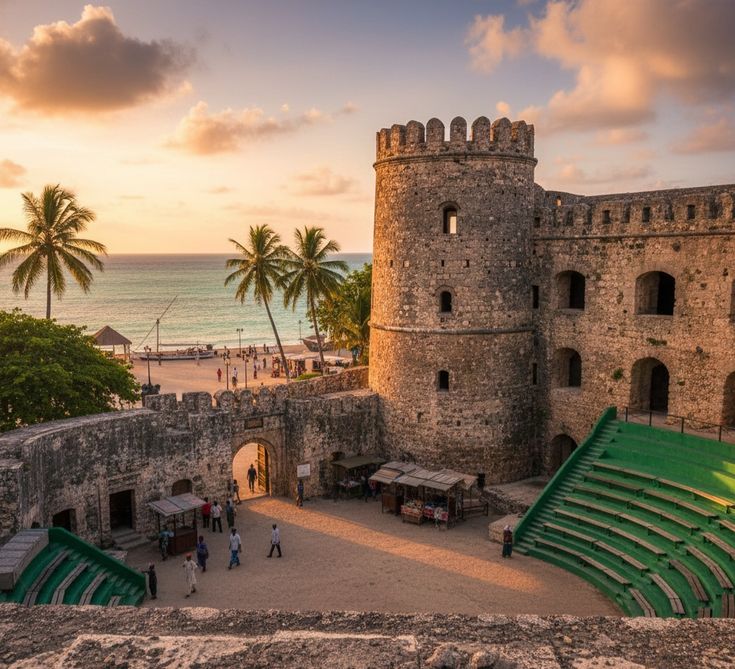
Stone Town Heritage Walk

UNESCO WORLD HERITAGE

Lose yourself in the winding lanes of Stone Town — a living museum of Swahili, Arab, Indian, and Portuguese history carved in coral stone and hardwood.

ZANZIBAR • TANZANIA

Spice Farm Tour

SENSORY & CULTURAL

Walk through lush spice plantations where cloves, vanilla, nutmeg, and cinnamon grow wild — tasting, touching, and smelling the island's greatest treasure.

ZANZIBAR • TANZANIA

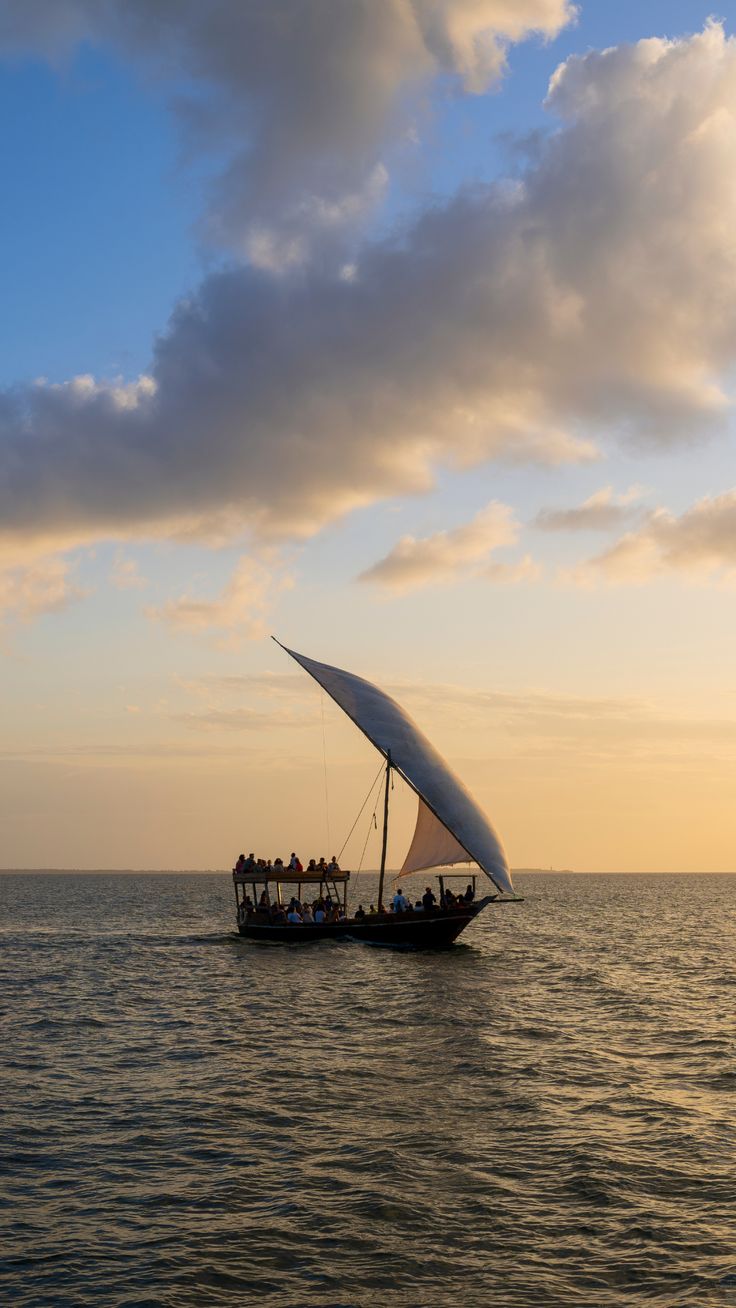
Sunset Dhow Cruise

UNFORGETTABLE ON THE WATER

Sail the Indian Ocean aboard a traditional wooden dhow as the sky ignites in amber and rose — the most romantic evening Zanzibar can offer.

ZANZIBAR • TANZANIA

Zanzibar Beach Dining

FLAVOURS OF THE COAST

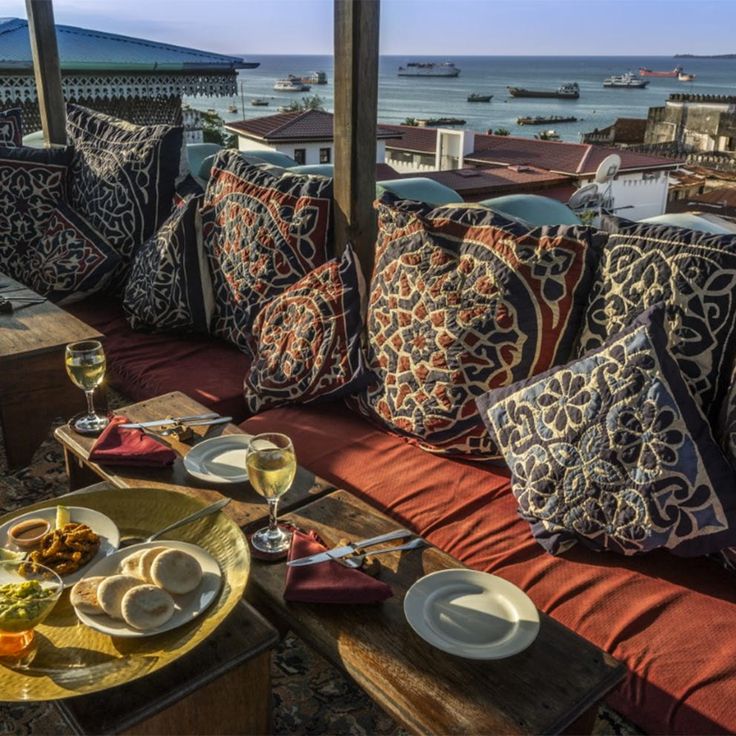
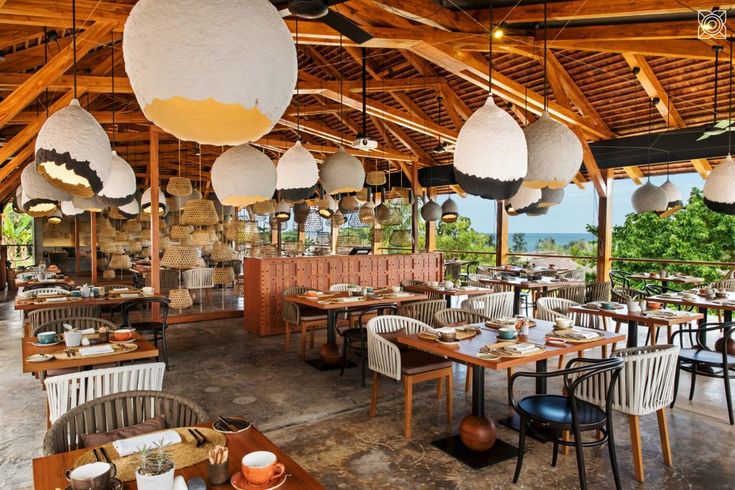
Dine barefoot on the beach with fresh lobster, coconut-spiced seafood, and Swahili street food at the legendary Forodhani Night Market.

ZANZIBAR • TANZANIA

Regions of Zanzibar & The Coast

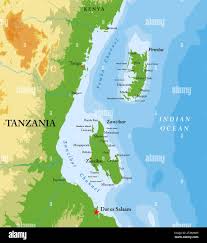
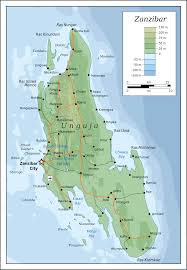
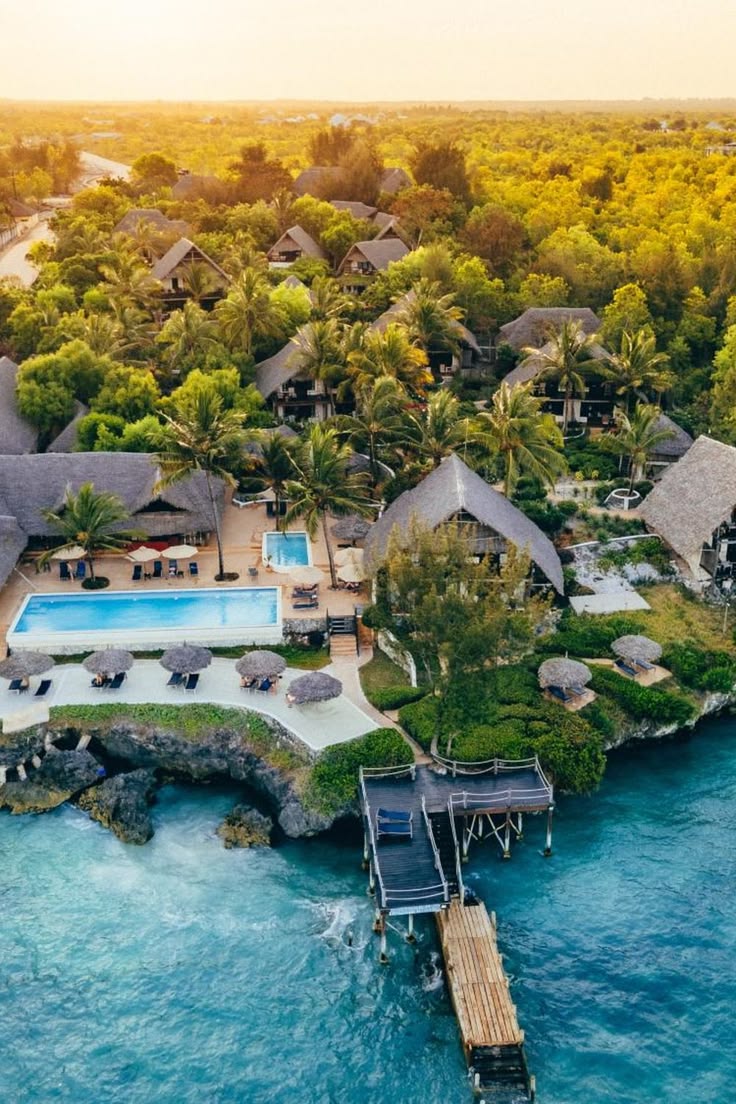
Zanzibar and the Tanzanian coast offer a rich tapestry of distinct destinations, each with its own personality and charm. At the island's historic heart, Stone Town pulses with centuries of Swahili culture, its labyrinthine alleys and carved-door mansions telling the story of sultans, spice traders, and sea captains. To the northeast, the East Coast — stretching from Paje through Jambiani to Bwejuu — offers the island's finest beaches, consistent trade winds beloved by kiteboarders, and shallow turquoise lagoons perfect for swimming at any tide. The secluded North Coast around Nungwi and Kendwa is where the sand stays submerged at low tide, creating swimmable conditions around the clock and some of the liveliest beach bars on the island. Just offshore, Mnemba Island reigns as East Africa's most exclusive private island retreat and marine sanctuary, encircled by world-class snorkelling and dive sites. Further afield on the mainland, the Tanzanian South Coast — including Kilwa Kisiwani and the Mafia Island Marine Park — offers an entirely different dimension: archaeological ruins of a medieval Swahili trading empire and some of the most pristine, uncrowded diving in the Indian Ocean.

Zanzibar

Mnemba Island Lodge

Mnemba Island Lodge
Zanzibar

Baraza Resort & Spa

Baraza Resort & Spa
Zanzibar

Zuri Zanzibar Hotel

Zuri Zanzibar Hotel
Zanzibar

The Palms Zanzibar

The Palms Zanzibar
Zanzibar

Fundu Lagoon

Fundu Lagoon
1 of 5
Section Background

Zanzibar is calling. How will you answer?

The classic Tanzania itinerary ends where the safari begins — in the wild — and closes on Zanzibar's shores. Most travellers fly directly from the Serengeti or Arusha to Zanzibar in under two hours, making the transition seamless and the contrast extraordinary. To get the most from the island, time your beach stay between June and October for dry-season clarity and calm seas, or November and December before the long rains arrive. Choose your base carefully — Stone Town for culture and history, the east coast for wind and seclusion, or Nungwi for non-tidal beaches and the island's most vibrant atmosphere. Pair your beach days with a spice tour, a snorkelling excursion to Mnemba Atoll, and at least one evening lost in the food stalls of Forodhani — and Zanzibar will stay with you long after you leave.

Island Planning FAQs

Zanzibar enjoys warm, tropical weather year-round, but the timing of your visit makes a significant difference. The long dry season from June to October offers the clearest skies, calmest seas, and the best conditions for snorkelling and diving — this is peak season and when most safari-beach combinations are planned. The short dry season in January and February is also excellent. The long rains fall from March to May, and a shorter rainy season occurs in November, when some resorts reduce rates considerably for travellers happy to take the weather as it comes.

Zanzibar is well connected and easy to reach from both the safari circuit and Dar es Salaam:

  • By Air: Direct flights operate from Arusha (approximately 1.5 hours), Kilimanjaro International Airport, and Dar es Salaam (around 25 minutes). Most safari operators build in a seamless same-day connection from the parks to the island.
  • By Ferry: Fast ferries cross from Dar es Salaam to Stone Town in approximately 2 hours and are a popular and affordable option for those already on the mainland. Booking in advance is recommended during peak months.
  • Stone Town: Best for history, culture, architecture, and the buzz of a living, working Swahili city. Ideal as a one- or two-night base before heading to the beaches.
  • East Coast (Paje, Jambiani, Bwejuu): Wide, wild beaches backed by palms and a laid-back village atmosphere. Best for kitesurfing, snorkelling, and travellers who prefer peace over party.
  • North Coast (Nungwi, Kendwa): The island's most swimmable year-round beaches with non-tidal lagoons. Livelier, with sunset beach bars and a more resort-style energy.
  • Mnemba Island: The ultimate private island luxury experience. Just 12 bandas on a pristine coral island — for those who want total seclusion and world-class diving.

The two major considerations for Tanzania are:

  • Malaria: Zanzibar is a malaria zone — prescription anti-malarial medication is strongly recommended for all visitors, along with DEET repellent and long-sleeved clothing in the evenings.
  • Yellow Fever: A Yellow Fever vaccination certificate is required if arriving from a country with risk of yellow fever transmission. It is also worth noting that Zanzibar has its own immigration procedures separate from the mainland, though both are part of the United Republic of Tanzania.

Zanzibar is a predominantly Muslim island and modest dress is expected outside of beach and resort areas — particularly in Stone Town, where women should cover shoulders and knees and men should avoid shorts in markets and mosques. Light cotton or linen clothing works best in the heat and humidity.

For the water, pack reef-safe sunscreen (standard sunscreens are harmful to coral and may be restricted at some resorts), a rash vest for snorkelling, and quality underwater goggles. If you are combining Zanzibar with a bush safari, note that the same 15 kg (33 lbs) soft-bag luggage limit applies to domestic charter flights — pack light and leave hard suitcases at your hotel in Arusha or Dar es Salaam.