
The most remote corner of Africa's greatest safari nation. Ancient forests, great lakes, chimpanzees, and a wilderness so intact it feels like the continent's best-kept secret.
Western Tanzania is, without question, the most extraordinary and least-visited corner of Africa's greatest safari nation. Pressed against the shores of Lake Tanganyika — the world's second-deepest lake — and concealed within ancient miombo woodland, this region shelters three of Tanzania's most remote national parks.
At Mahale Mountains, wild chimpanzees live in the forest above the lake's turquoise shore — a sight that stops every visitor in their tracks. At Gombe Stream, where Jane Goodall conducted her pioneering research, the original chimpanzee community still roams the steep forest valleys. And at Katavi, dry-season hippo pools reach concentrations found nowhere else on the continent.
Getting here requires fly-in access, advance planning, and a genuine spirit of adventure. The rewards are encounters that feel like true discoveries — because in many ways, they still are.
Three of Africa's most remote and extraordinary parks. Select a destination to explore its world.
 Best: May – Oct
Mahale Mountains National Park
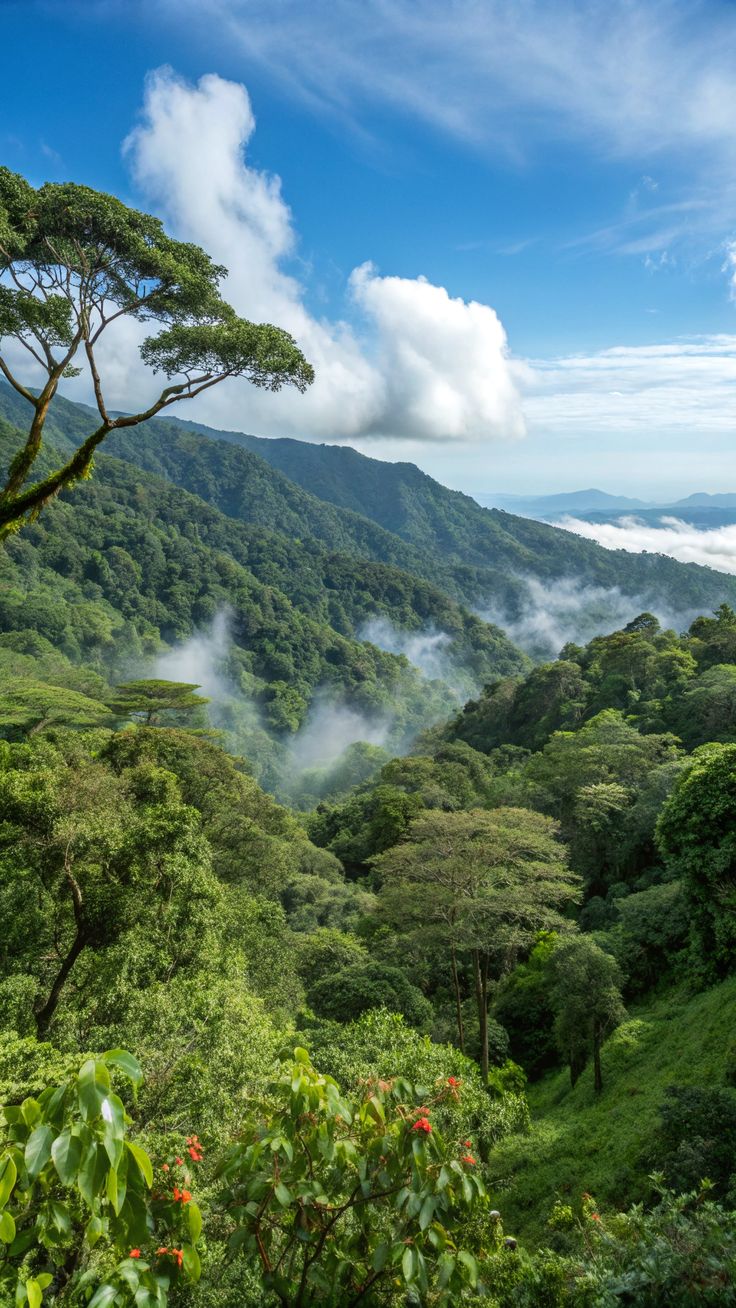
Mahale Mountains is among the most breathtaking places on earth — a wall of forested mountains rising directly from the turquoise waters of Lake Tanganyika, sheltering one of Tanzania's largest habituated chimpanzee communities. There are no roads. You arrive by boat, track chimps on foot through ancient forest, and swim in one of the world's clearest freshwater lakes at sunset.
 Year-Round
Gombe Stream National Park
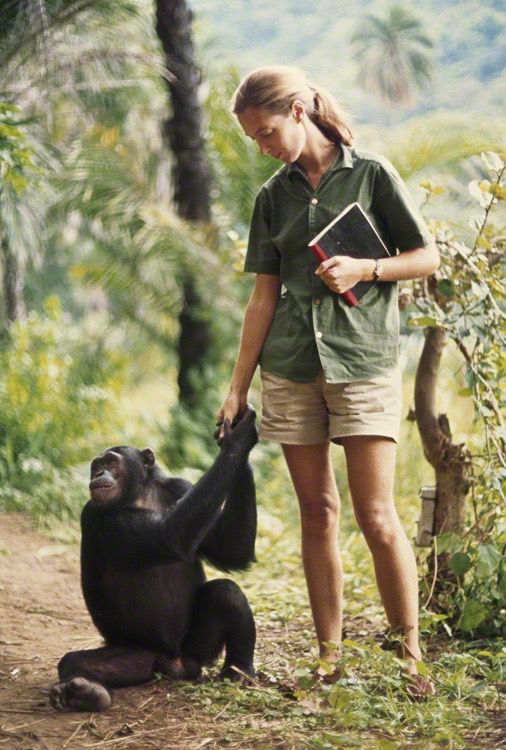
In 1960, Jane Goodall arrived at Gombe — Tanzania's smallest national park — and began research that would overturn our understanding of what it means to be human. The Kasekela chimpanzee community she studied still roams these forest valleys today, and trekking with them through the steep terrain of the Rift Valley escarpment remains one of the most profound wildlife encounters available to travellers.
 Best: Jun – Oct
Katavi National Park
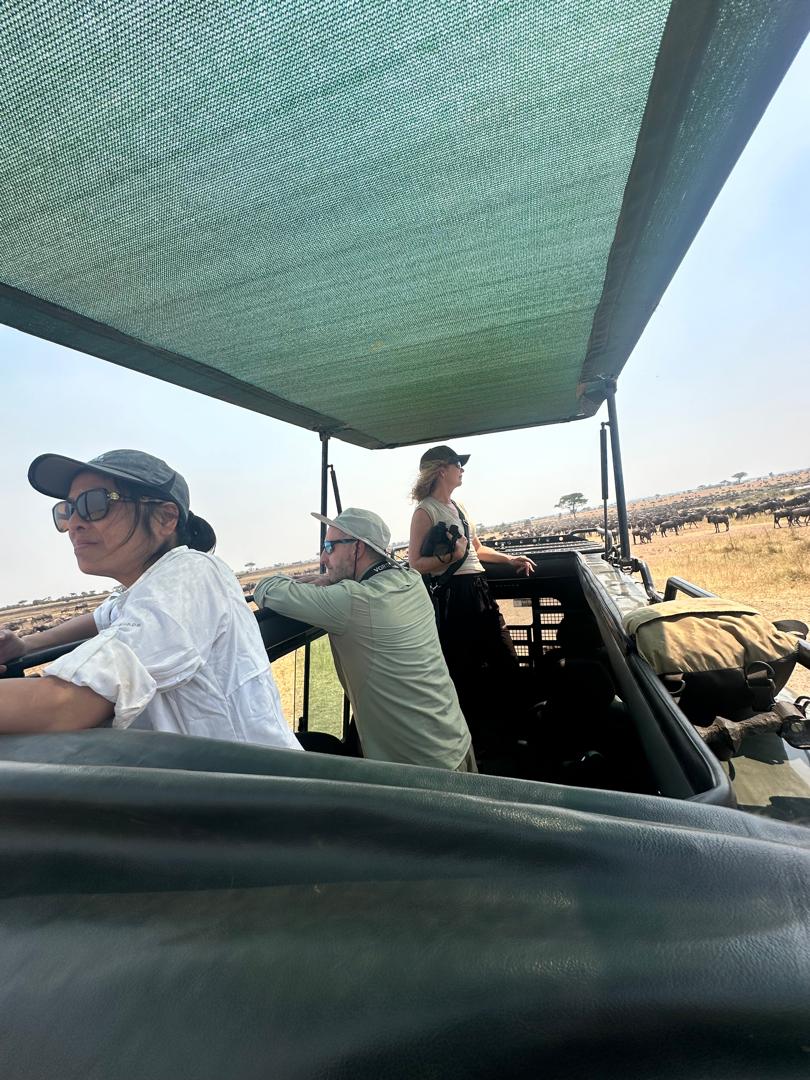
Katavi is Tanzania's most isolated park — a vast, untouched floodplain where the dry season concentrates thousands of hippos, crocodiles, and buffalo into shrinking waterholes, attracting lion prides and hyena clans in numbers rarely witnessed elsewhere. The park receives fewer visitors in a year than the Ngorongoro Crater sees in a single morning.
Sharing 98.7% of our DNA, chimpanzees are our closest living relatives. To track them through dense forest — to sit quietly as a family group moves overhead, to meet the eyes of an elder male watching you with frank, knowing intelligence — is to experience something that sits outside ordinary language.
Both Mahale and Gombe offer daily trekking permits with small group sizes (maximum 6 guests per chimp group), ensuring the experience remains intimate and low-impact. Treks typically last 2–5 hours and are led by specialist forest guides who know each individual chimpanzee by name.
"A male sat two metres from me and held my gaze for what felt like a minute. I understood, in that moment, that he was not the animal. I was."
— A Wild Frontiers guest, Mahale Mountains 2024
Jan – Apr
Gombe year-round at its greenest. Mahale chimp trekking possible but forest trails harder. Katavi waterholes beginning to fill — fewer dramatic scenes.
May – Jun
Mahale and Katavi open after April rains. Chimpanzees descend to lower forest elevations. Lake Tanganyika is at its calmest — ideal for boat arrivals.
Jul – Oct
The dry season peak. Katavi's hippo pools at maximum concentration. Chimpanzee sightings longest as fruiting trees bring communities to open clearings.
Nov – Dec
Katavi closes in November. Gombe and Mahale remain open. Fewer visitors than peak season, but the western circuit's chimp trekking remains exceptional.
Western Tanzania demands specialist knowledge — fly-in logistics, seasonal park access, and permit booking weeks or months in advance. Wild Frontiers has been arranging western circuit expeditions for years, and we handle every detail so that all you carry into the forest is a sense of wonder.
Tell us your travel dates and which parks call to you. Our western specialists will respond within 24 hours with a bespoke proposal — and advise on permit availability for your dates.
Begin Planning