Your Company Logo
Home Destinations Tour Packages Travel Info About Us Contacts
Serengeti Serengeti Serengeti Serengeti

Tarangire National Park

The silent theater of shadow predators and ancient trees.

Why Tarangire National Park?

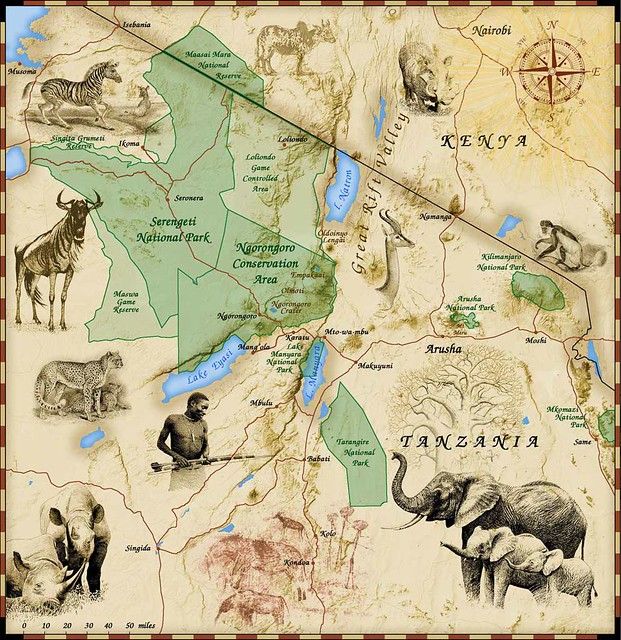
The name β€˜Tarangire’ comes from the Mbugwe language and appropriately means the β€˜river of warthogs’, referencing the park's life-giving water source. With an area of 2,850 square kilometers, roughly as big as the state of Rhode Island, it lies between the rolling Maasai Steppe in the southeast and the lakes of the Great Rift Valley to the northwest. As such, it offers the most complex and elephant-dependent dry-season refuge ecosystem on earth.

Tarangire National Park is undoubtedly the most visually striking wildlife sanctuary in the world, unequaled for its ancient baobab trees and timeless landscape value. With more than three thousand elephants, thousands of migratory wildebeest, and a legendary population of apex predators, it has the greatest concentration of massive mammals in Tanzania outside the Serengeti.

Explore the Tarangire, a rugged and iconic wilderness that plays host to the great dry-season retreat, one of the most vital wildlife migrations of the natural world. Witness hundreds of elephants digging for subterranean water, fierce lions stalking quarry, and other magnificent species as they traverse the dusty plains and brave the shores of the Tarangire River.

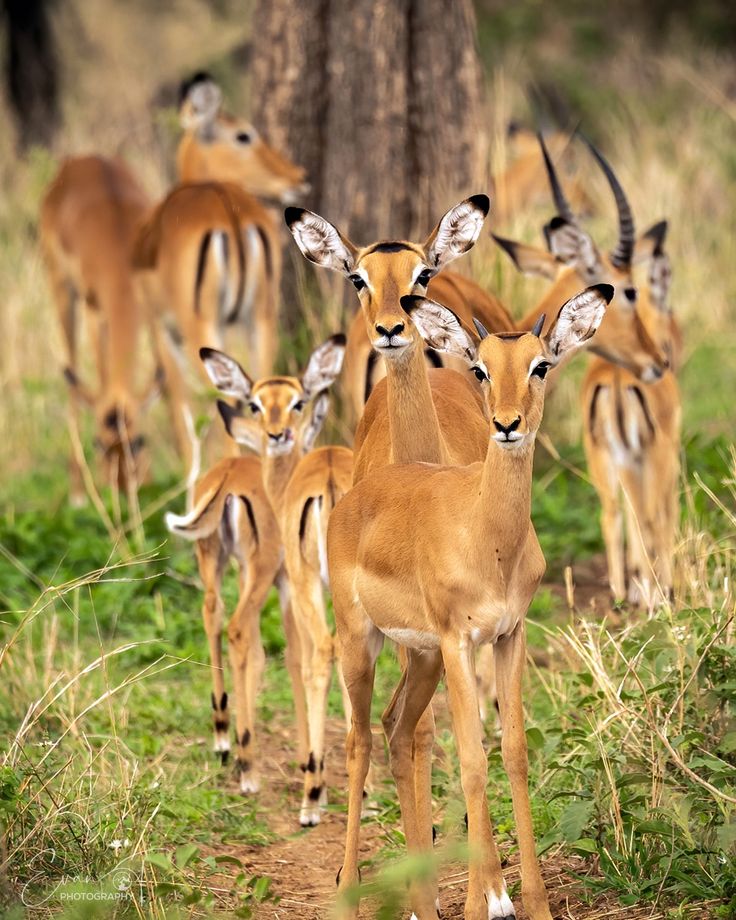
When the seasonal rains scatter the herds Tarangire has the most spectacular bird and predator viewing in Africa, with tree-climbing pythons, nesting martial eagles, pairs of elegant fringe-eared oryx and thousands upon thousands of zebras, elands, buffaloes, impalas, gazelles, and specialty raptor varieties.

Tarangire Defined

Serengeti vast plains with acacia trees
Wildebeest crossing Mara River - Great Migration

Venture into the ancient baobab valleys

The transition from Arusha to the wild happens in moments. Small planes skip across the sky, dropping you directly onto remote northern runways like Kuro. Below, the urban bustle dissolves into a living tapestry of prehistoric baobabs and massive elephant herdsβ€”a vivid reminder that here, the journey itself is the opening act. Experience Tarangire by arriving through tailored sensory and cinematic perspectives, shifting from the urban landscape to the raw, breathing valleys of Tanzania.

The Tarangire Allure

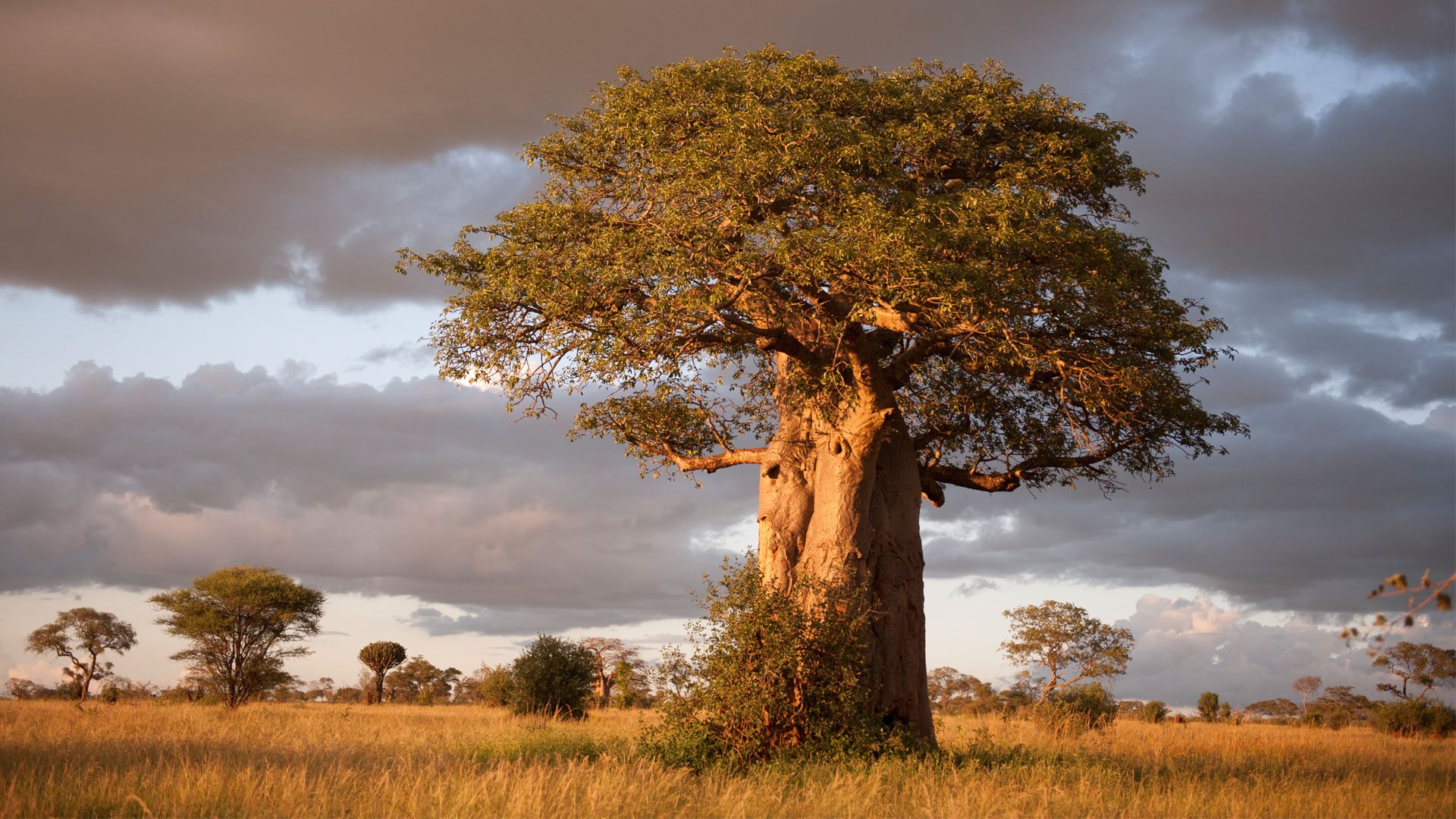
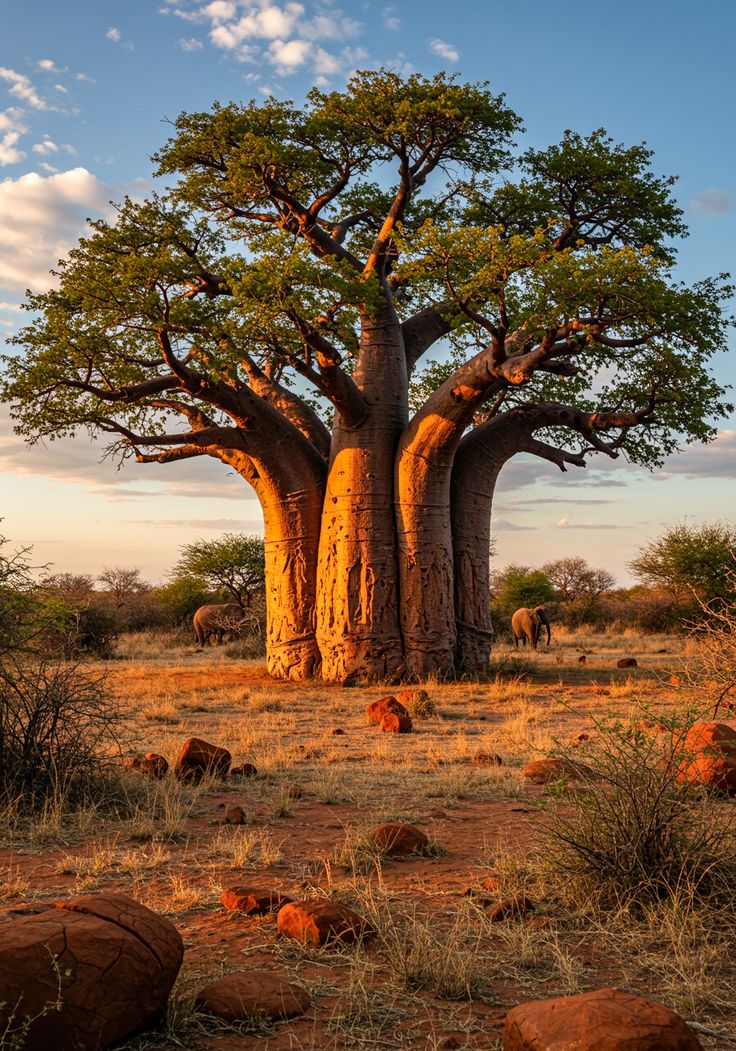
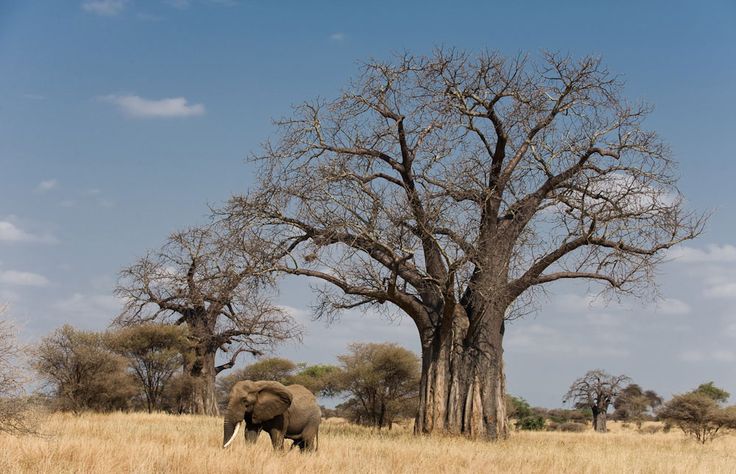
Ancient Baobab Trees

LAND OF GIANTS

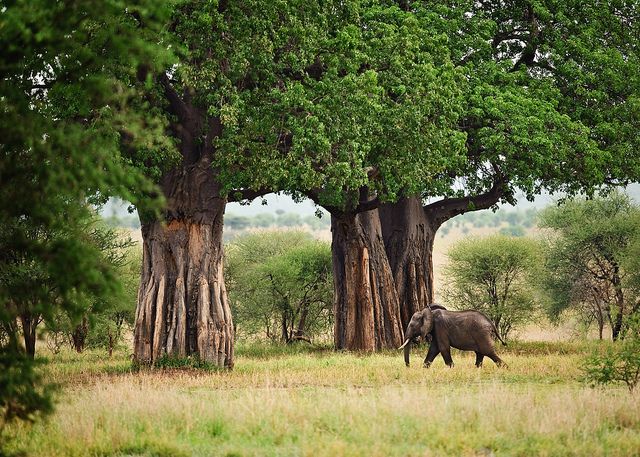
Traverse an iconic landscape dotted with massive, ancient baobab trees that have stood for centuries.

TARANGIRE β€’ TANZANIA

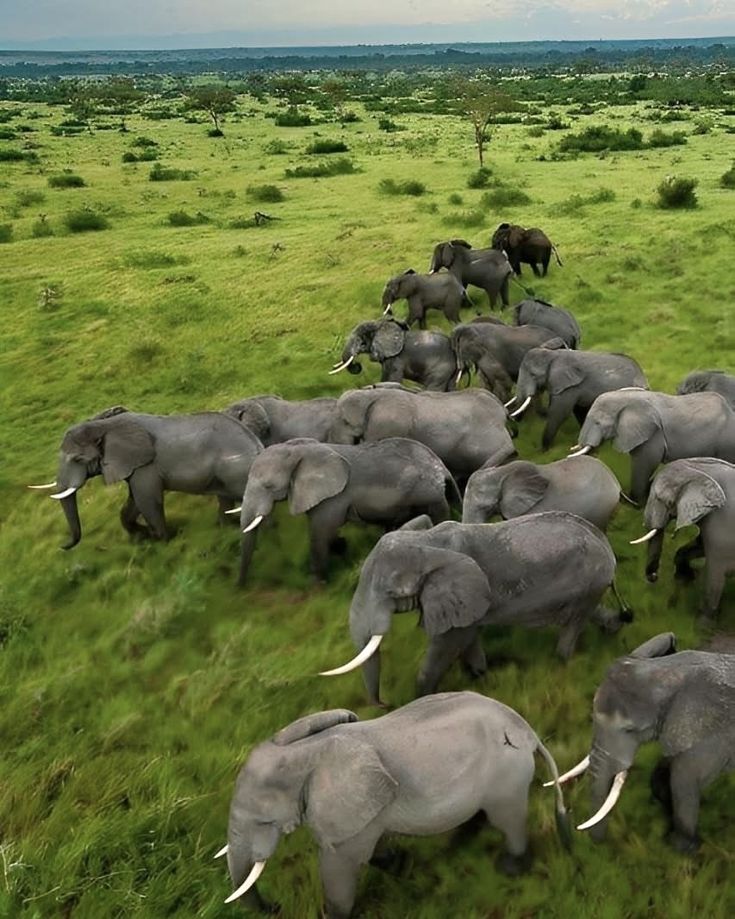
Massive Elephant Herds

WILD CONGREGATIONS

Encounter some of Africa’s largest elephant families wandering alongside the life-giving Tarangire River.

TARANGIRE β€’ TANZANIA

Tarangire River Game Viewing

DRY SEASON LIFEBLOOD

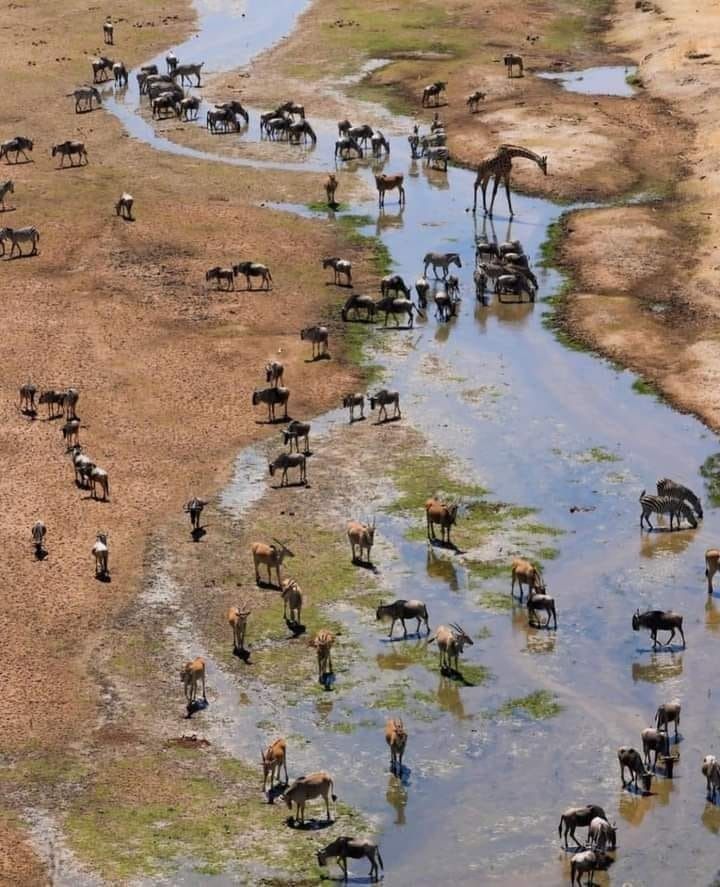
Watch intense wildlife drama unfold at the riverbanks as thousands of zebras and wildebeest gather to drink.

TARANGIRE β€’ TANZANIA

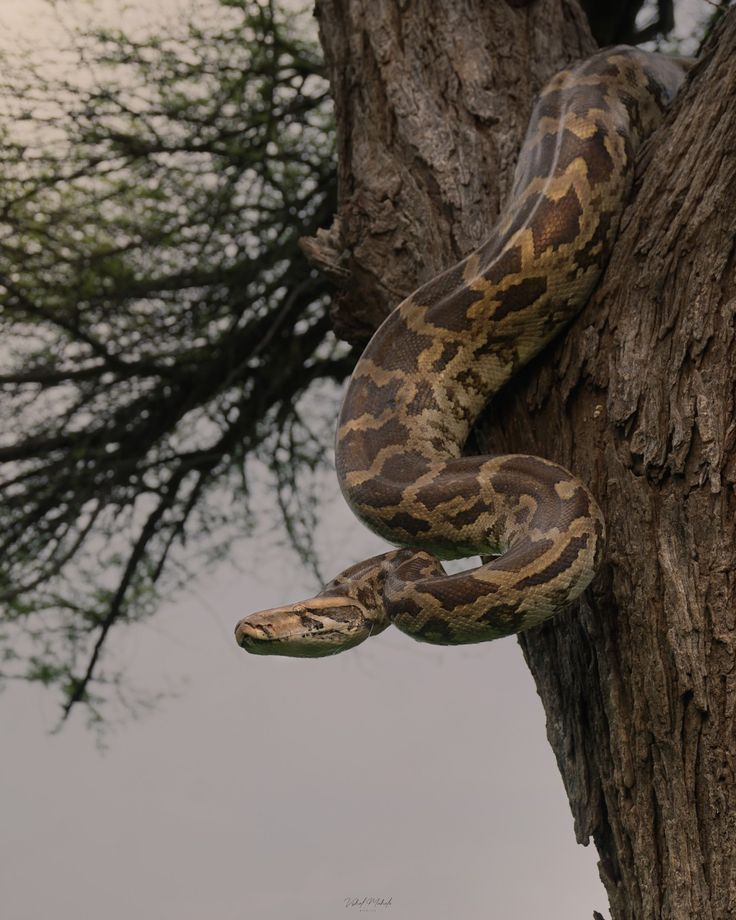
Tree Climbing Pythons

HIDDEN PREDATORS

Look up into the deep foliage of the swamp networks to catch a glimpse of rare, tree-climbing African pythons.

TARANGIRE β€’ TANZANIA

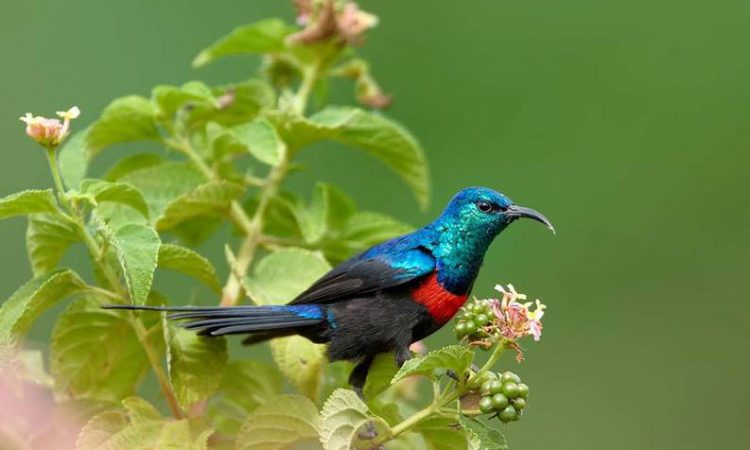
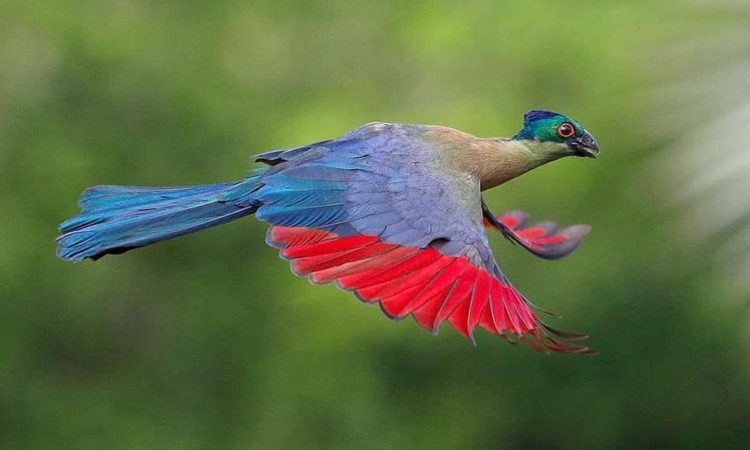
Bird Watching Paradise

AVIAN HEAVEN

Discover a colorful paradise hosting over 550 bird species, the highest breeding concentration in the world.

TARANGIRE β€’ TANZANIA

Regions of Tarangire

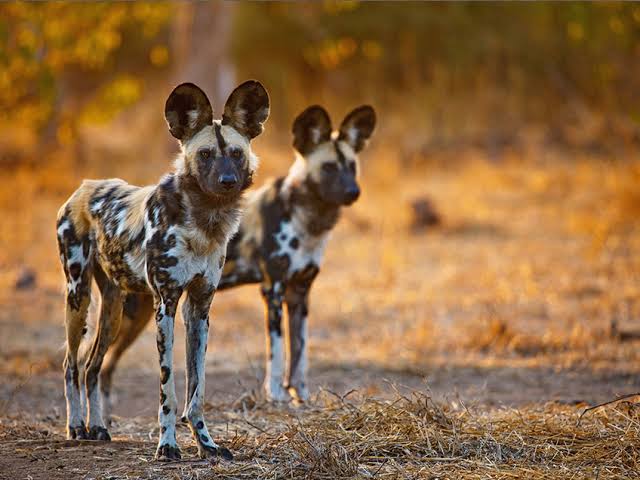
Tarangire is a vibrant, ancient ecosystem divided into four distinct regions, each offering its own unique wildlife spectacle and dramatic terrain. The Northern River Valley acts as the park's primal heart, an elephant-dominated corridor providing legendary, dry-season wildlife sightings amidst iconic baobab-dotted plains. To the east, the Matete Woodlands serves as a dense, high-stakes stage where secretive leopards hide in acacia branches and uncommon oryx antelopes brave the towering elephant grass. Southward, the Silale Swamps transforms into a green, giant sponge where thousands of migratory birds gather and massive herds of buffalo wallow, inviting explosive predator action. Finally, the secluded Western Kitibong Hills offers a rugged sanctuary of granitic ridges and rolling woodlands, serving as a private wilderness escape where endangered wild dogs roam.

Tarangire Tanzania

Swala Safari camp

Serengeti House
Tarangire Tanzania

Tarangire Treetops

Nomad Lamai Serengeti
Tarangire Tanzania

Duluti Lodge

Serengeti Bushtops Camp
Tarangire Tanzania

Legendary Lodge

Lemala Ewanjan Camp
1 of 5
Section Background

Tarangire is calling. How will you answer?

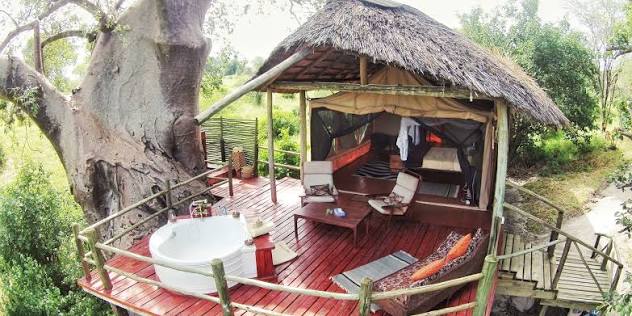
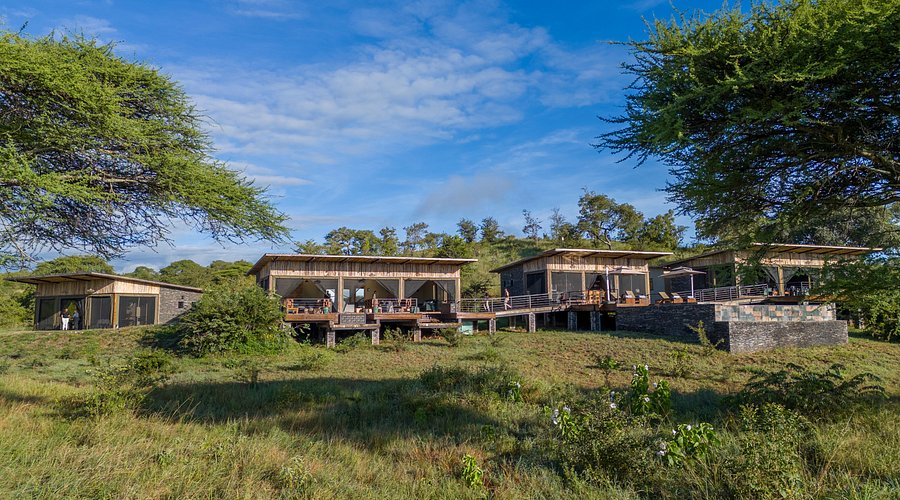
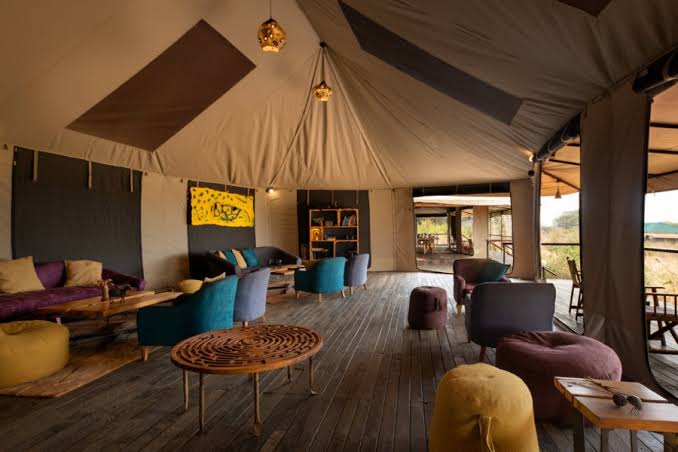
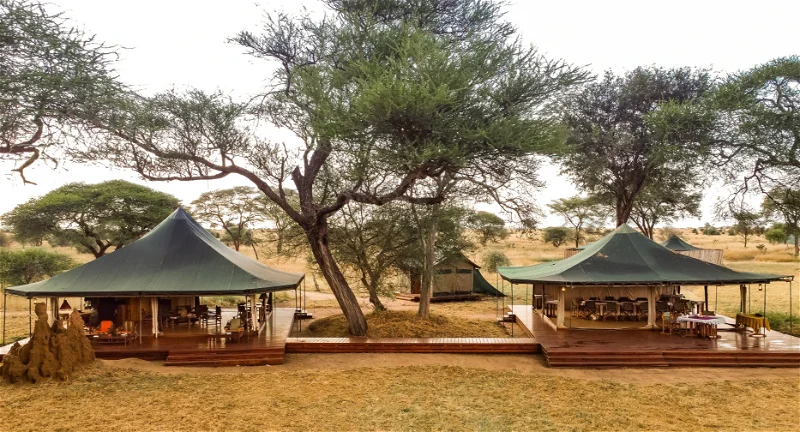
A successful Tarangire safari requires aligning your travel dates with the dry season from July to October, when massive elephant herds and endless wildlife converge heavily around the life-giving Tarangire River. To maximize comfort and immersion, balance your stay between luxury permanent lodges perched on the Rift Valley escarpment and intimate bush camps nestled among ancient baobab trees. Prioritize private open-sided vehicles to capture unobstructed photography of the park's legendary birdlife, and seek out private concessions to access exclusive activities like walking safaris and night game drives.

Tarangire National Park FAQs

Tarangire is famous for its enormous population of elephants and iconic ancient baobab trees. Often called the "Land of Giants", it offers one of the highest concentrations of elephants in Tanzania and stunning landscapes dotted with majestic baobabs.

The best time to visit Tarangire is during the dry season from June to October, when large herds of elephants and other wildlife gather around the Tarangire River. The wet season (November to May) brings lush greenery and excellent birdwatching.

We recommend at least 2 days in Tarangire. This allows you to enjoy both morning and afternoon game drives and fully experience the park’s diverse landscapes, from riverine areas to baobab woodlands.

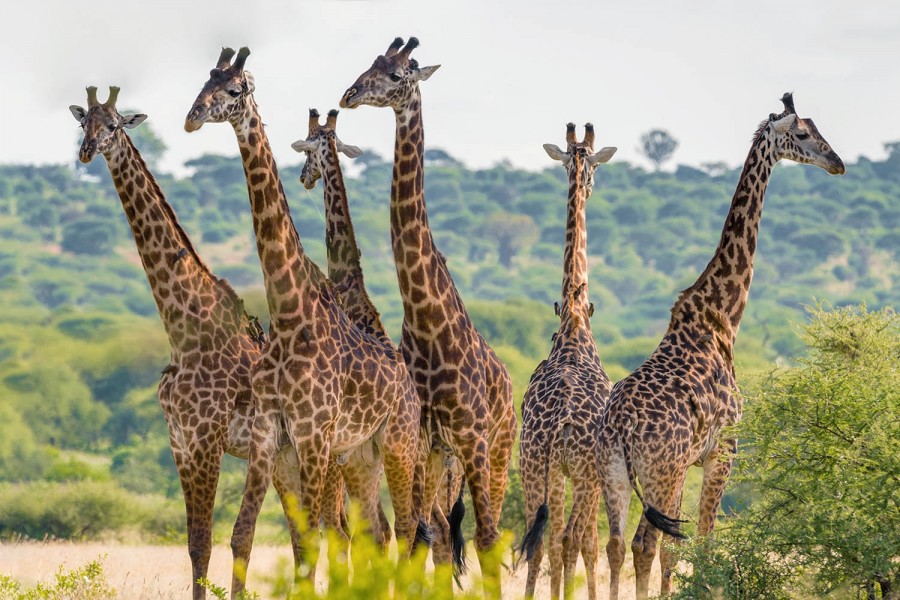
Tarangire is home to one of the largest elephant populations in East Africa. You can also see lions, leopards, buffaloes, giraffes, zebras, wildebeest, and a wide variety of antelopes. It is also a birdwatcher’s paradise with over 550 species recorded.

Tarangire offers a very different experience from the Serengeti and Ngorongoro. It is known for its baobab trees, large elephant herds, and more intimate feel. Many safari itineraries combine Tarangire with Ngorongoro and the Serengeti for a complete Northern Circuit experience.