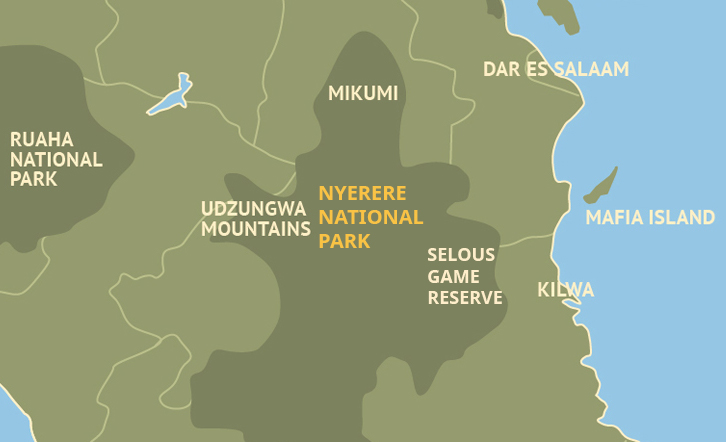
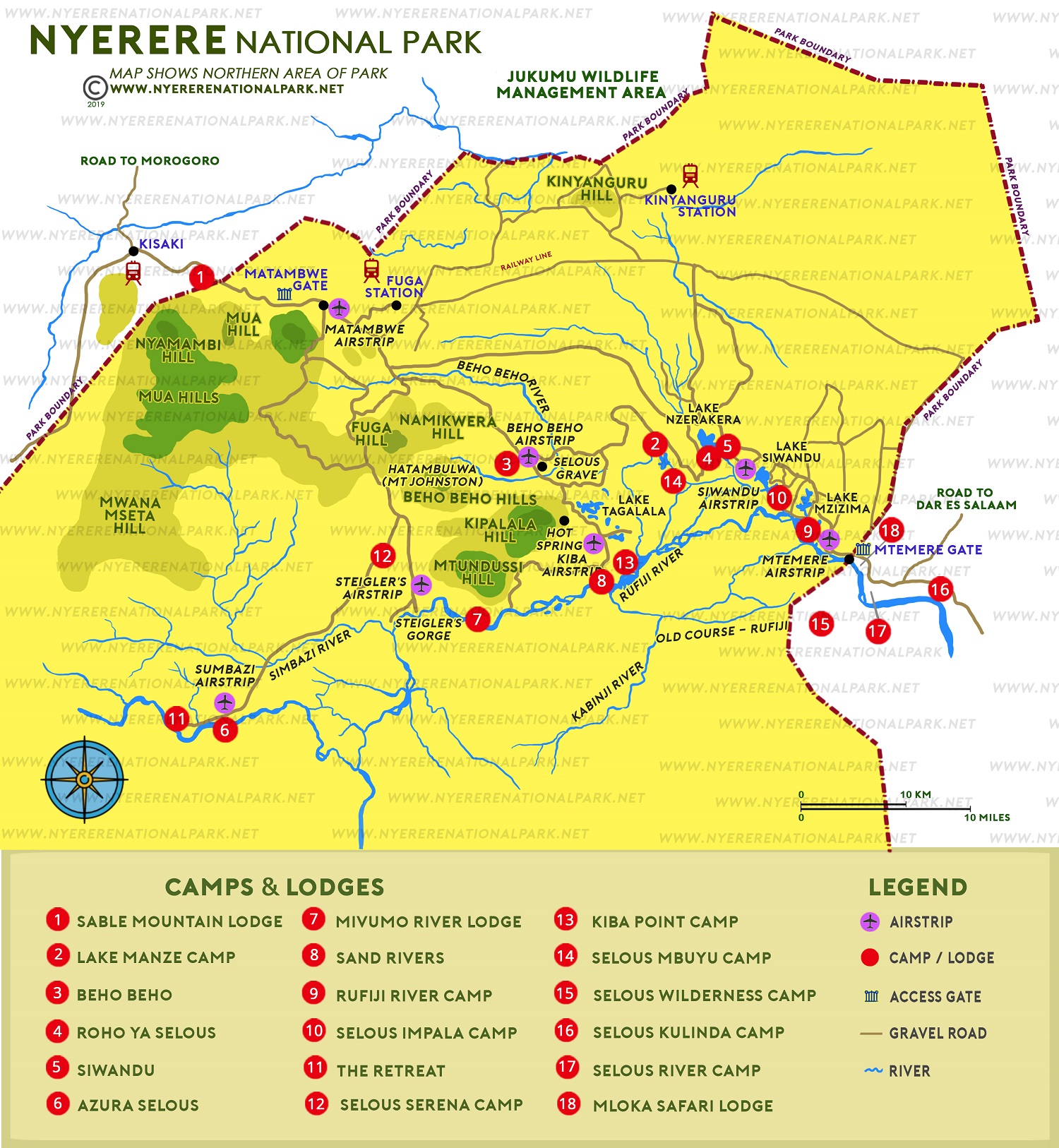
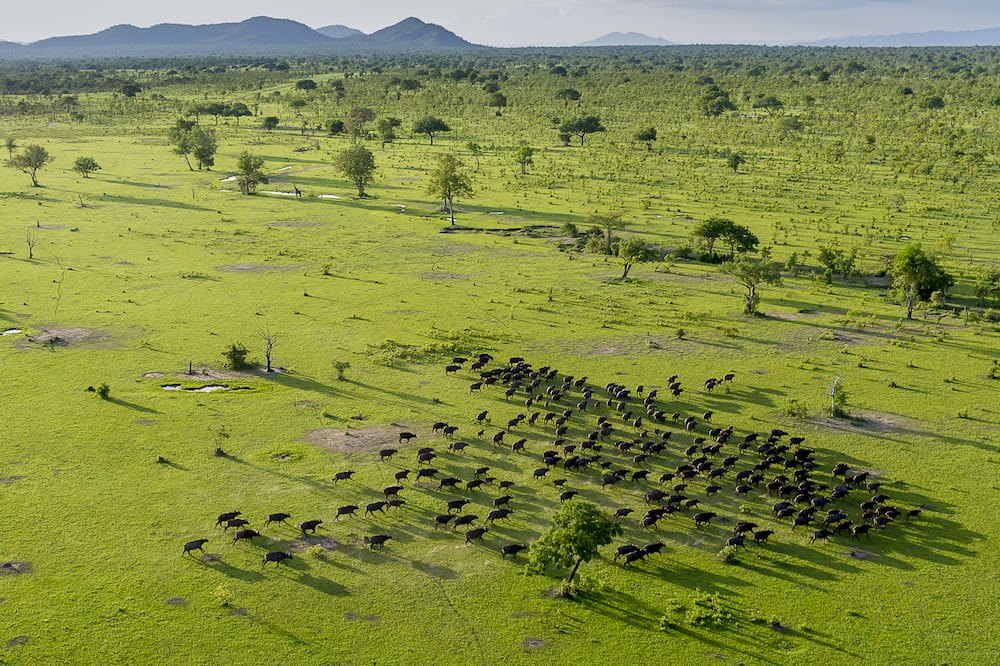
Nyerere National Park — formerly known as the Selous Game Reserve — is Africa's largest protected wildlife area, covering nearly 50,000 square kilometres of southern Tanzania. Renamed in honour of Tanzania's founding father Julius Nyerere, it is a UNESCO World Heritage Site of extraordinary ecological significance, sheltering one of the greatest concentrations of wildlife on the continent.
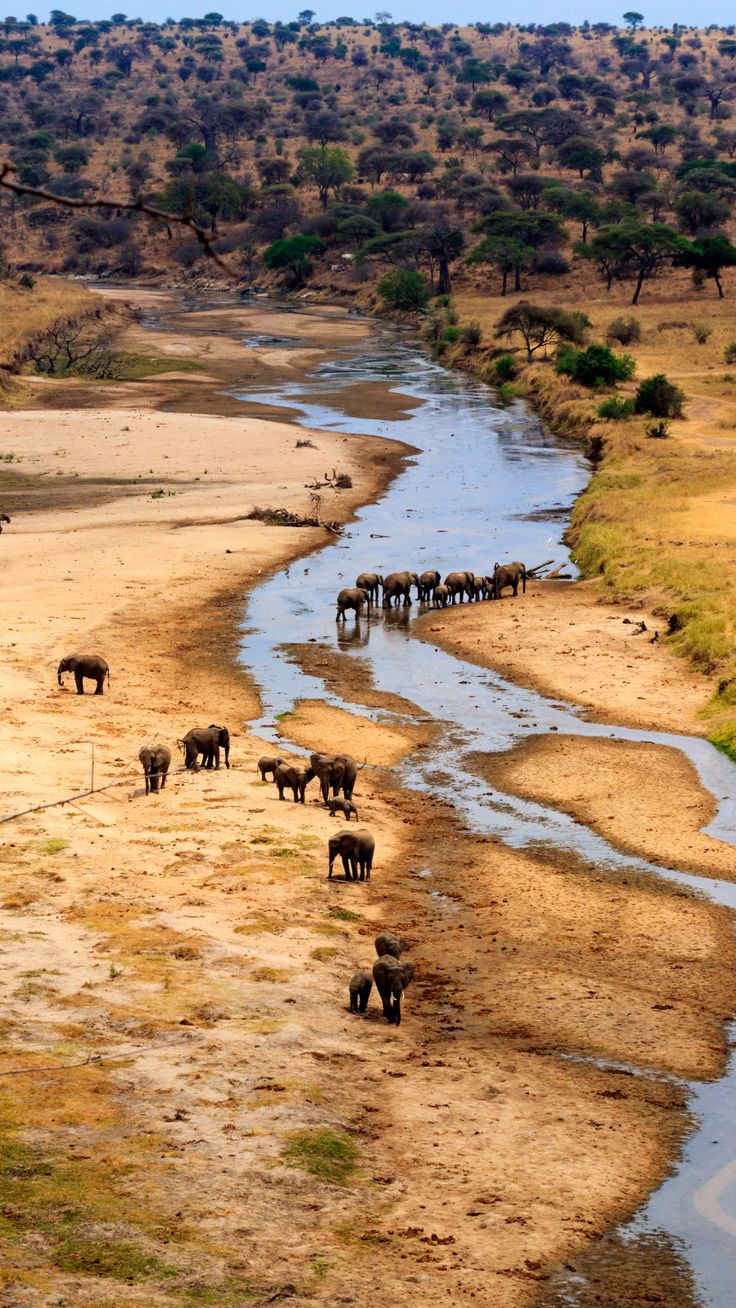
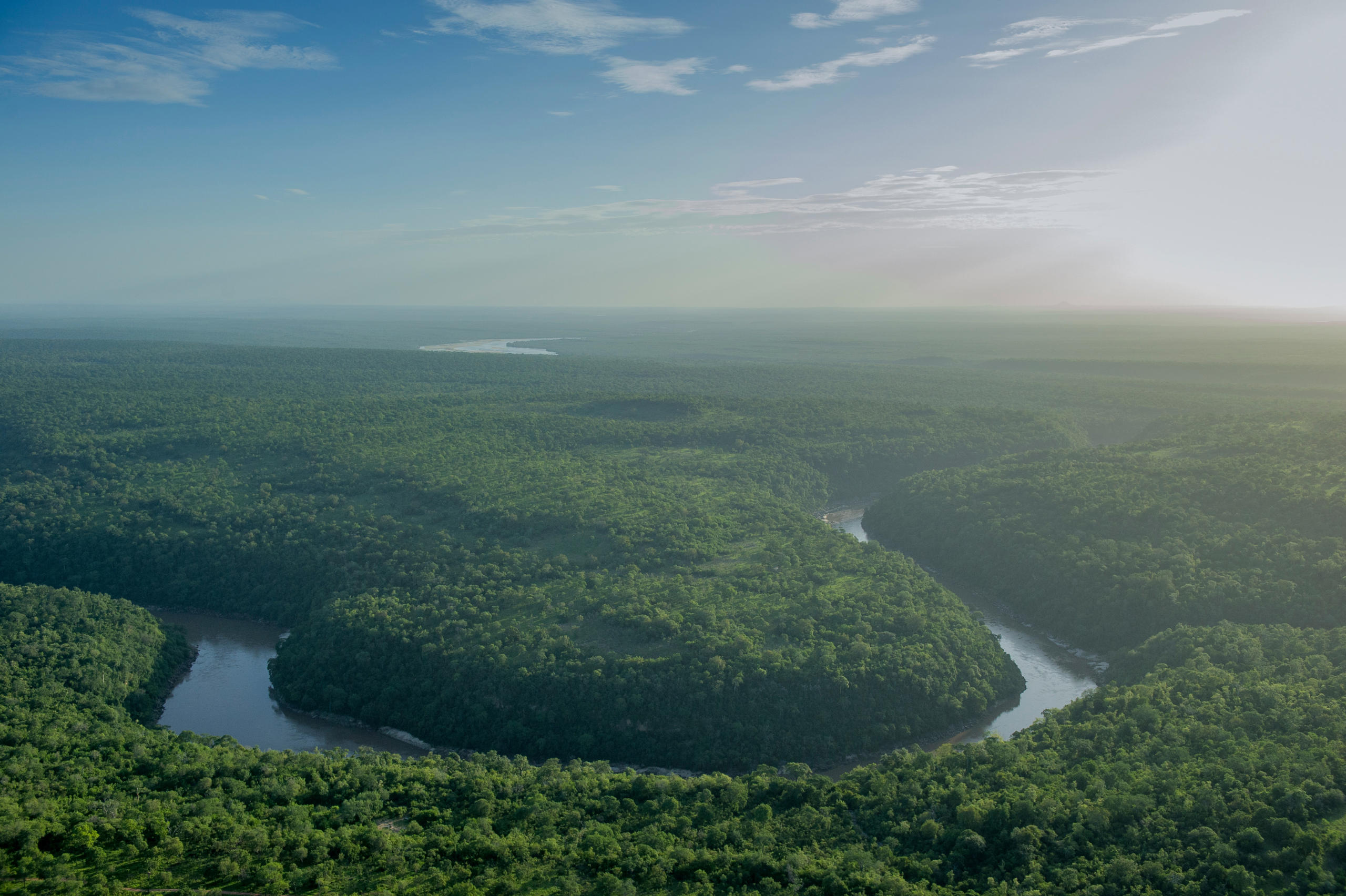
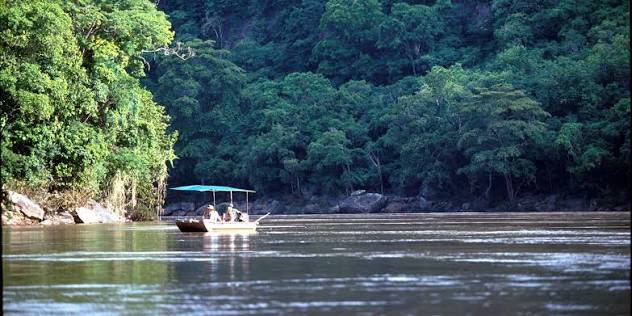
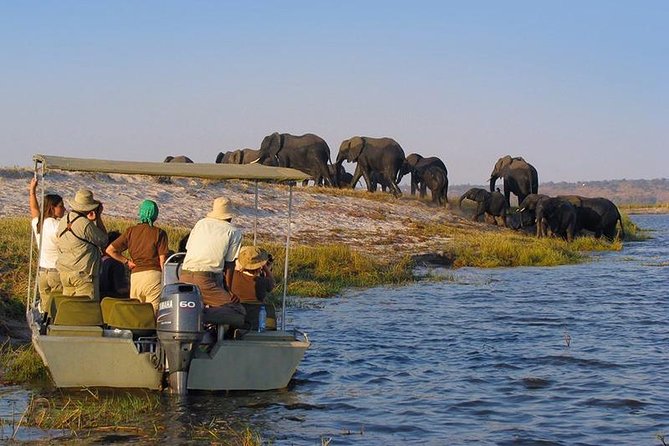
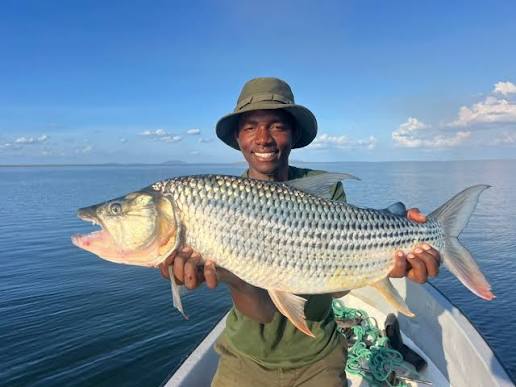
What makes Nyerere truly unique among Africa's safari destinations is its water. The mighty Rufiji River — Tanzania's largest — winds through the park in a vast, labyrinthine network of channels, lakes, and flood plains that create a safari experience found nowhere else. Boat safaris on the Rufiji bring guests face-to-face with hippos, crocodiles, and elephants drinking at the water's edge, while fish eagles cry overhead.
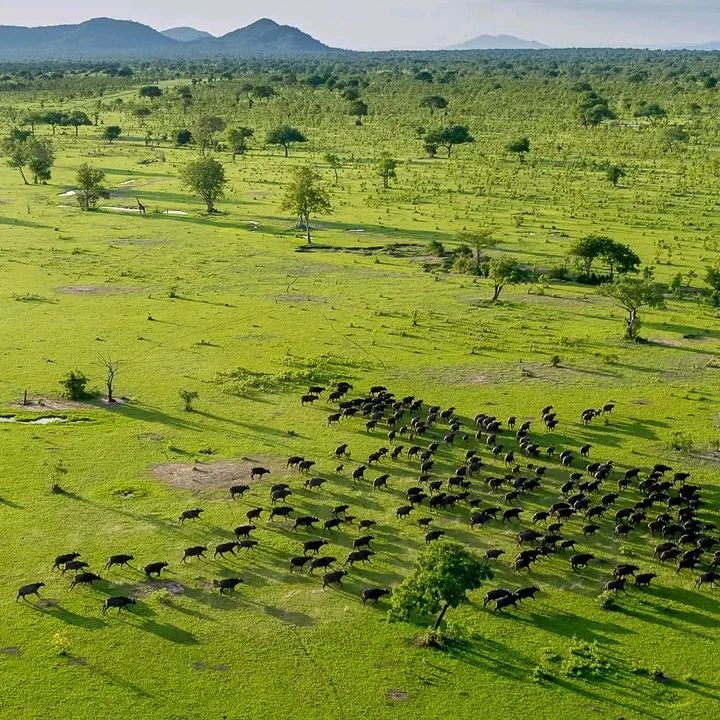
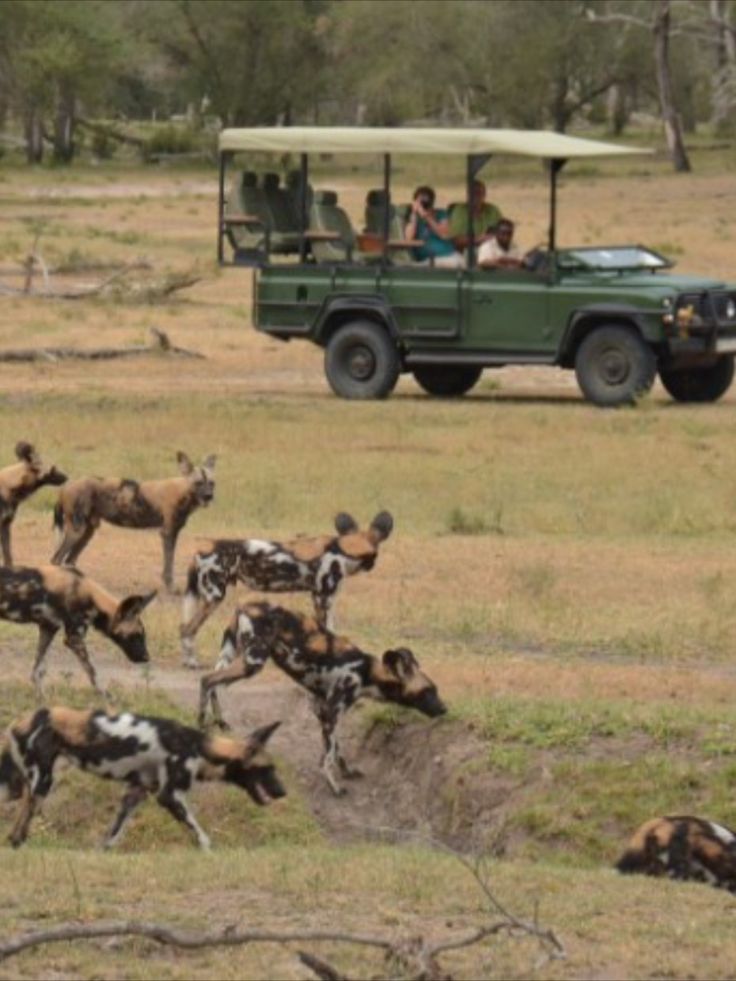
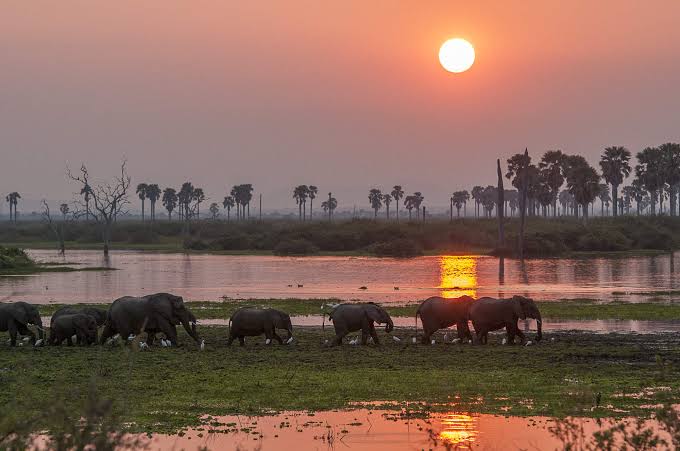
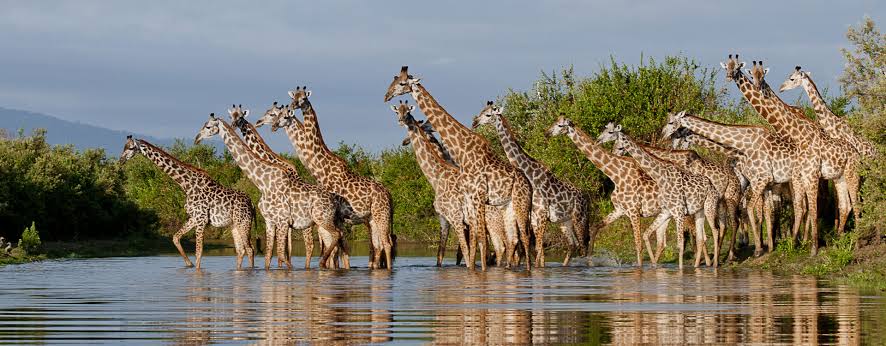
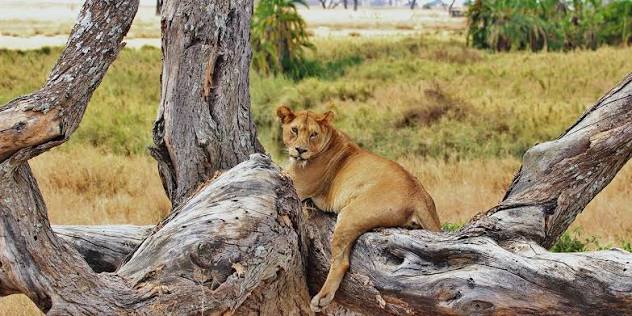
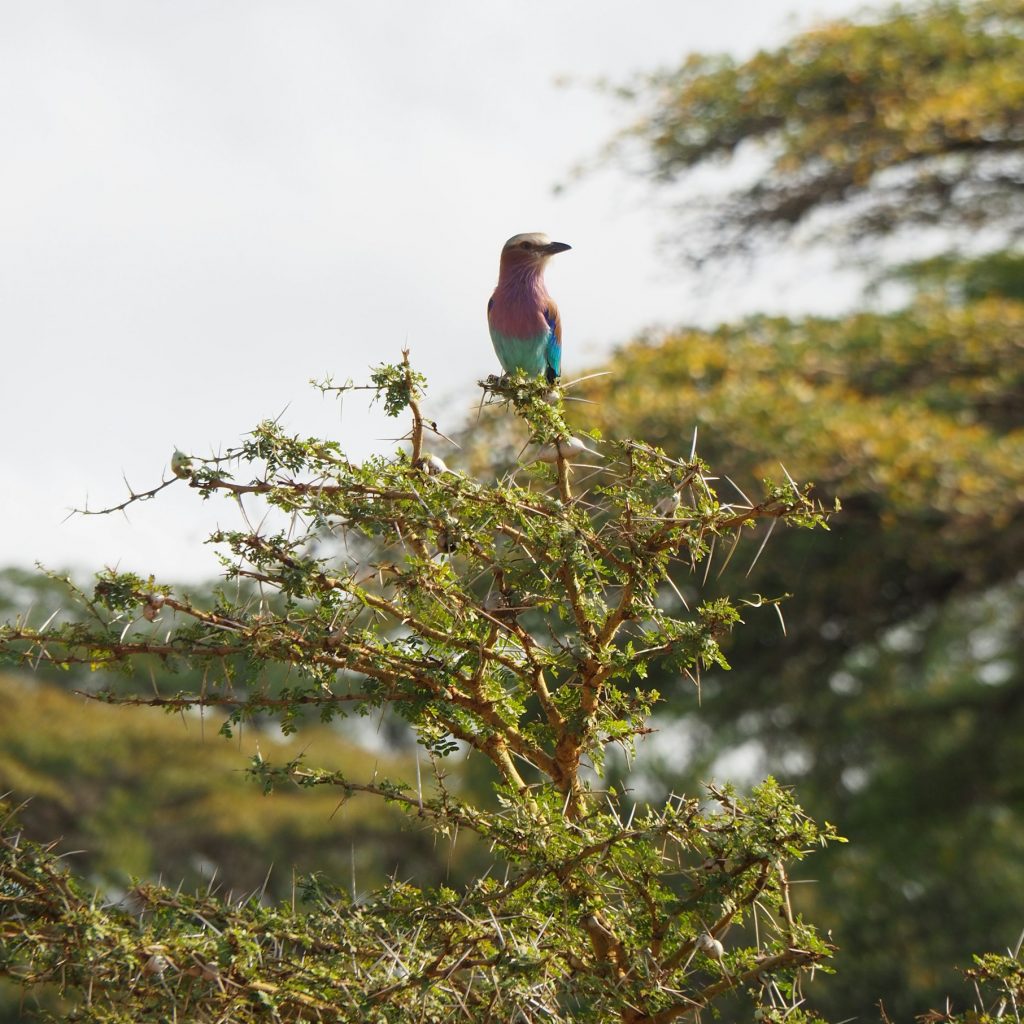
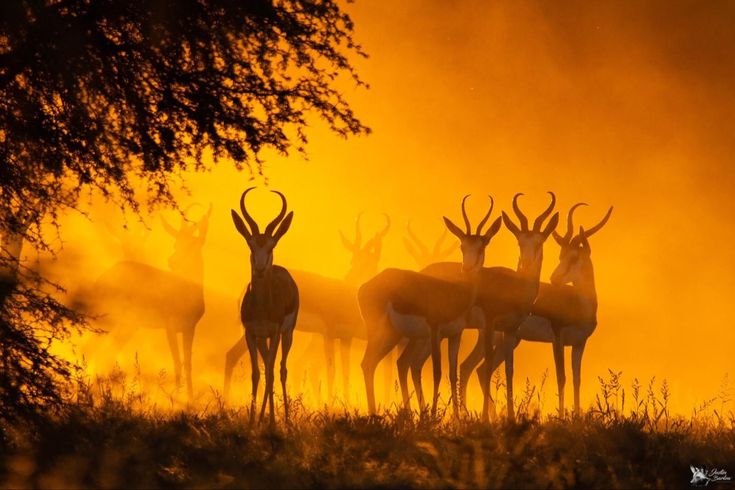
Nyerere holds Africa's largest populations of elephant, hippopotamus, and Nile crocodile, alongside impressive numbers of lion, leopard, buffalo, wild dog, and sable antelope. The park's population of African wild dogs is one of the largest remaining anywhere, and sightings are relatively frequent — a genuine privilege in modern Africa.
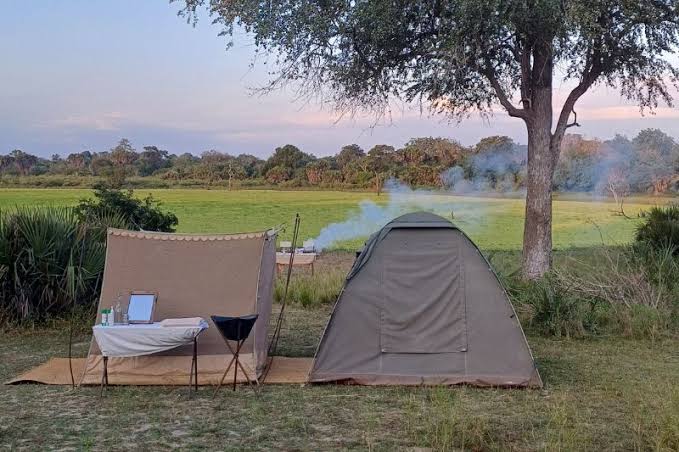
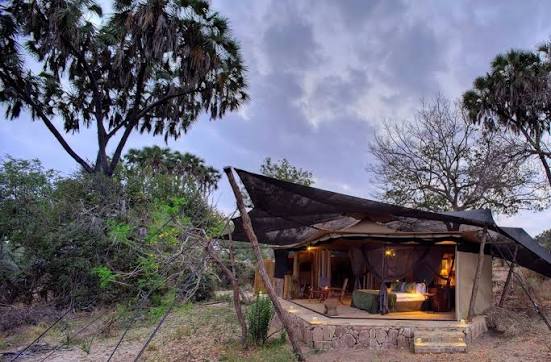
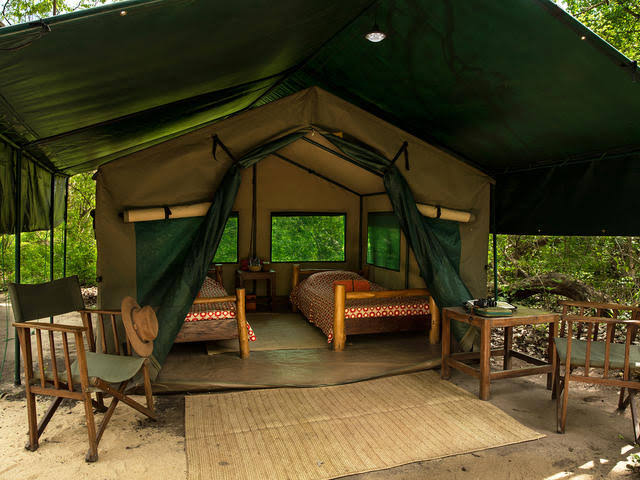
Unlike Tanzania's busier northern parks, Nyerere offers near-total solitude. Vehicle densities are almost non-existent, walking safaris are permitted in wild, unfenced wilderness, and fly-camping — sleeping under the stars in the bush — remains a genuine possibility. This is safari at its most raw and adventurous.