

Your Company Logo
Home Destinations Tour Packages Travel Info About Us Contacts
Serengeti Serengeti Serengeti Serengeti

Ngorongoro Crater

The ultimate showcase of natural wonder.

Why the Ngorongoro Crater?

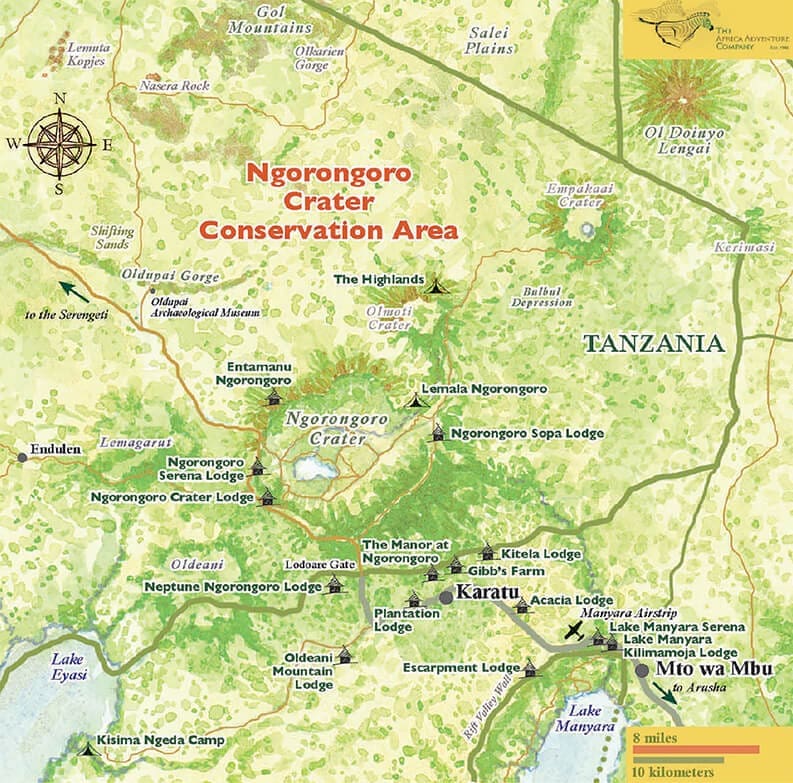
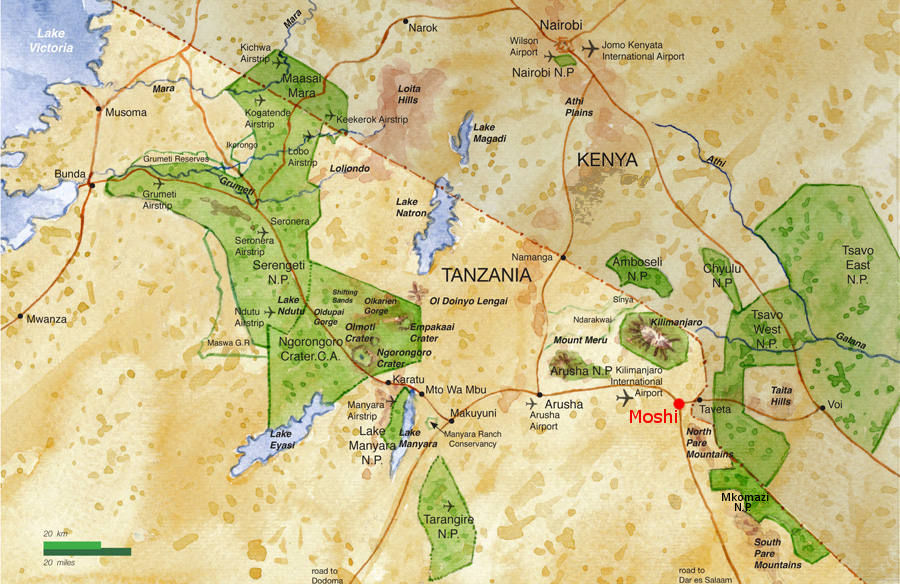
The name β€˜Ngorongoro’ comes from the Maasai language and appropriately imitates the sound of a cowbell. With an area of 8,292 square kilometers, roughly as big as Puerto Rico, it lies between the volcanic highlands of the south, Serengeti plains in the west, and the Great Rift Valley wall. As such, it offers the most complex and structurally intact caldera ecosystem on earth.

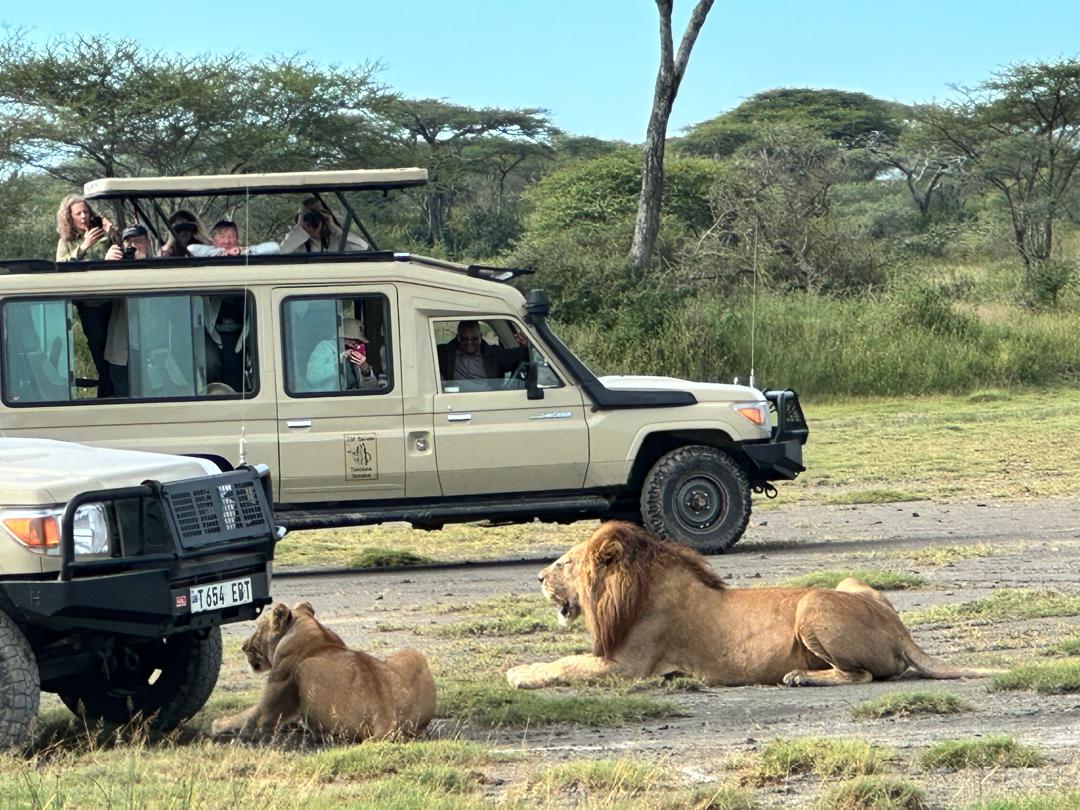
Ngorongoro Conservation Area is undoubtedly the most unique wildlife sanctuary in the world, unequaled for its volcanic geology and evolutionary value. With more than twenty-five thousand large mammals, thousands of vibrant flamingos, and a critical population of black rhino, it has the greatest concentration of predators in Africa.

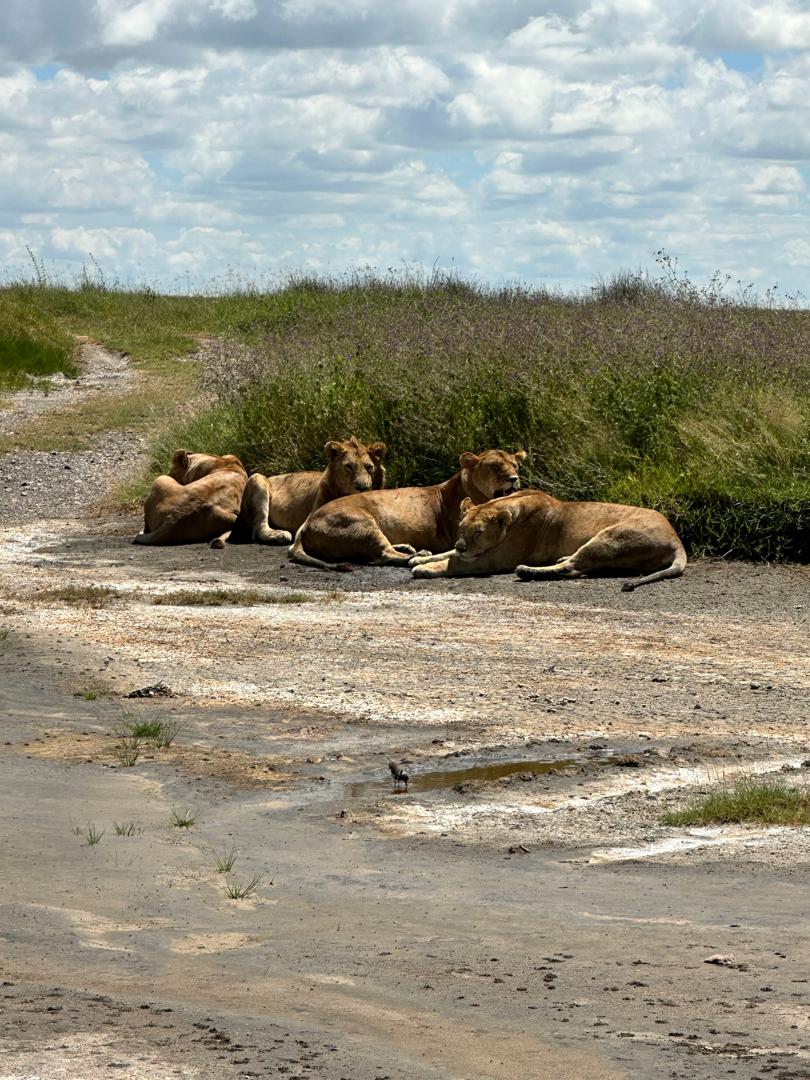
Explore the Ngorongoro, a deep and pristine landscape that plays host to the crater floor, one of the seven natural wonders of Africa. Witness hundreds of bird species, prides of lions, and other magnificent wildlife as they traverse the grasslands and drink from the shores of Lake Magadi.

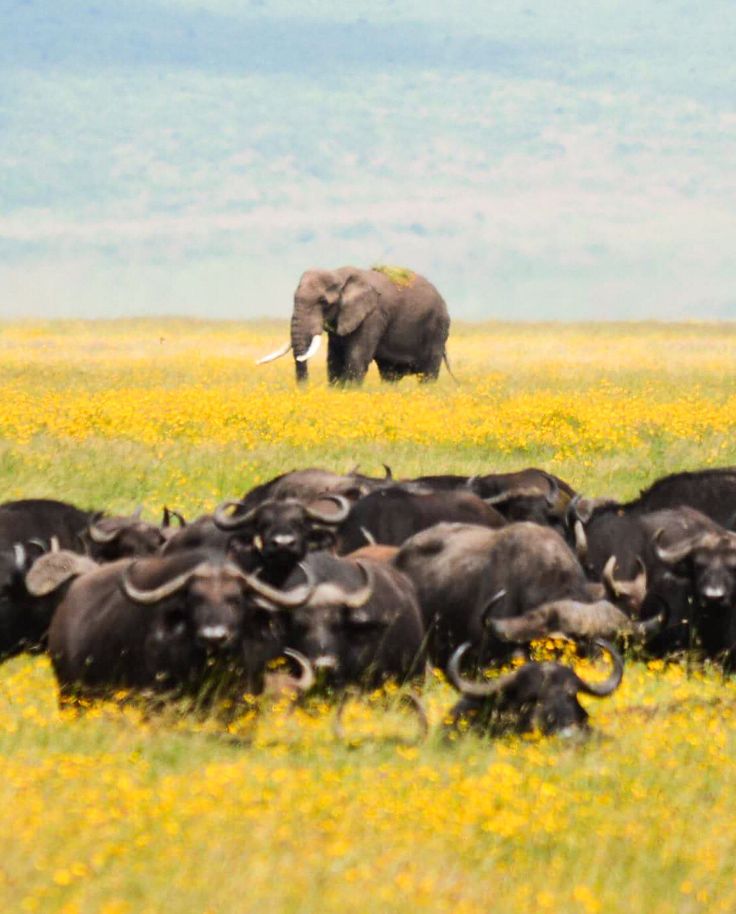
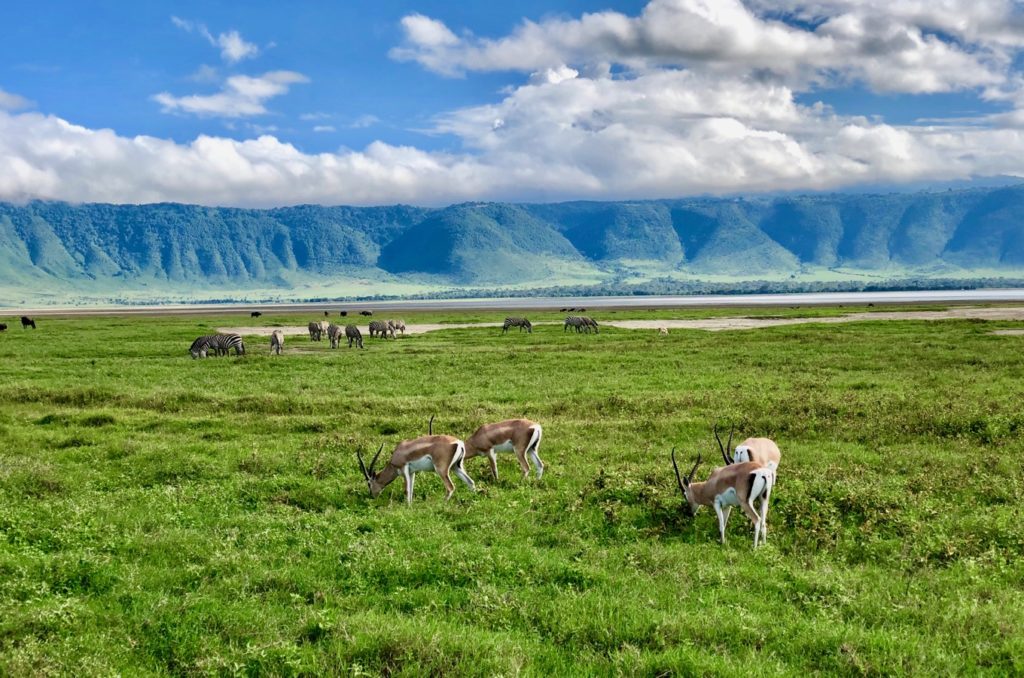
Even when the weather changes the Crater has the most spectacular game viewing in Africa, with majestic bull elephants, herds of buffalo, resident packs of spotted hyena and thousands upon thousands of wildebeest, zebra, gazelle, reedbuck, hartebeest, and specialty bird varieties.

Ngorongoro Defined

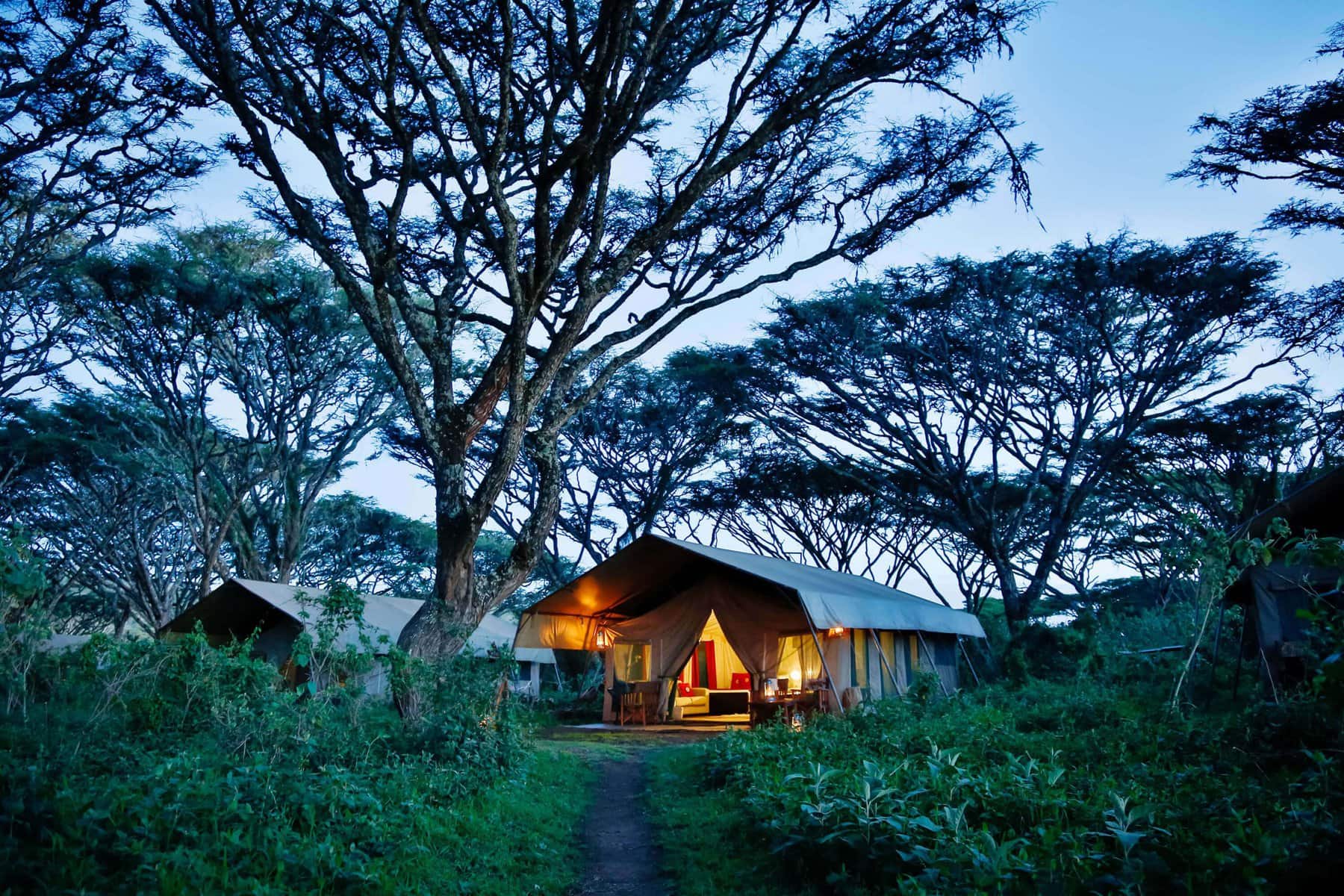
Serengeti vast plains with acacia trees
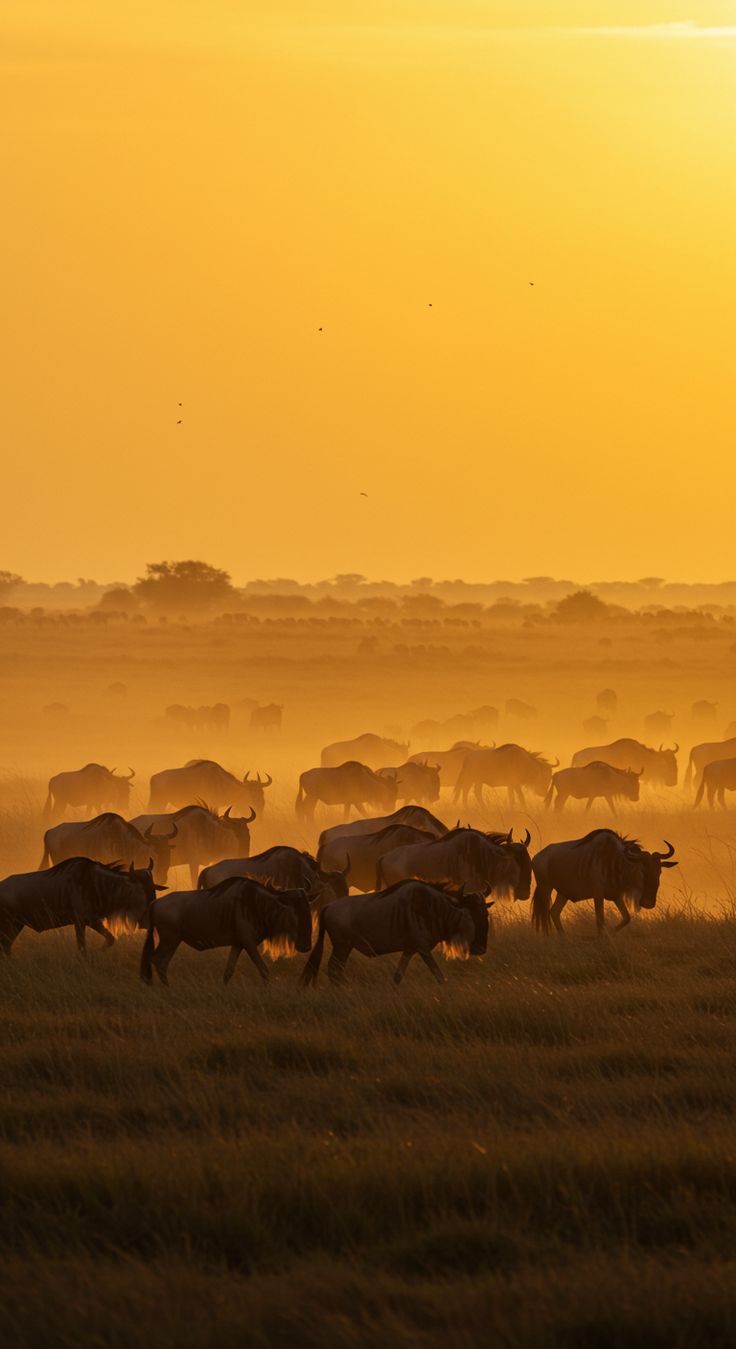
Wildebeest crossing Mara River - Great Migration

Descend into the cradle of life.

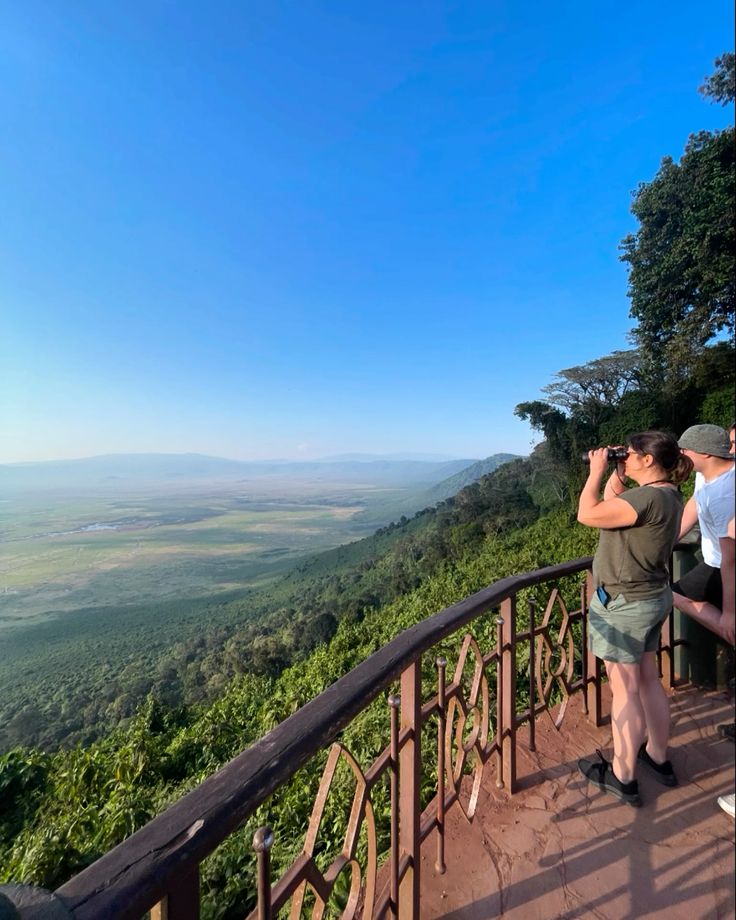
The transition from Arusha to the caldera rim unfolds in a dramatic visual crescendo. Safari vehicles wind upward through dense, mist-shrouded montane forests until the earth suddenly drops away. Below you lies a completely enclosed, self-sustaining worldβ€”a prehistoric amphitheater carpeted in emerald grasslands, shimmering soda lakes, and thousands of free-roaming animals. Experience the Ngorongoro Crater by arriving through this breathtaking geographical reveal, shifting from the highland forests to the floor of the world's largest intact volcanic caldera.

The Ngorongoro Allure

Hot Air Balloon Safari

DAWN ON THE CALDERA RIM

Watch the morning mist burn off the crater floor from a cliffside luxury lodge like the Ngorongoro Crater Lodge. Golden sunlight floods the ancient volcanic amphitheater, revealing a miniature world waking up far below you.

NGORONGORO β€’ TANZANIA

Great Migration

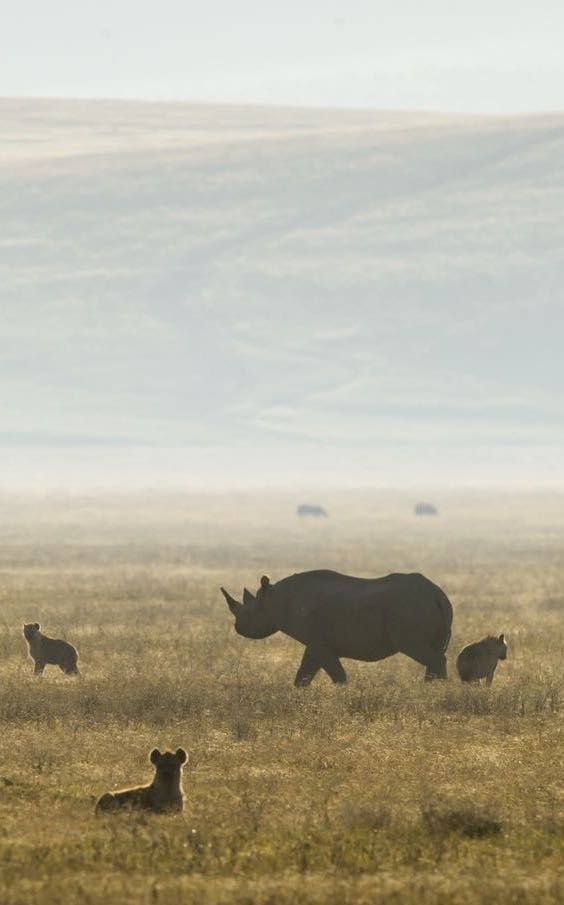
TRACKING THE BLACK RHINO

Descend 600 meters down the steep caldera walls for a game drive in a dense, self-sustaining paradise. The Ngorongoro Volcano Crater floor offers one of the best chances in Africa to spot highly endangered black rhinos roaming free.

NGORONGORO β€’ TANZANIA

Guided Walking Safari

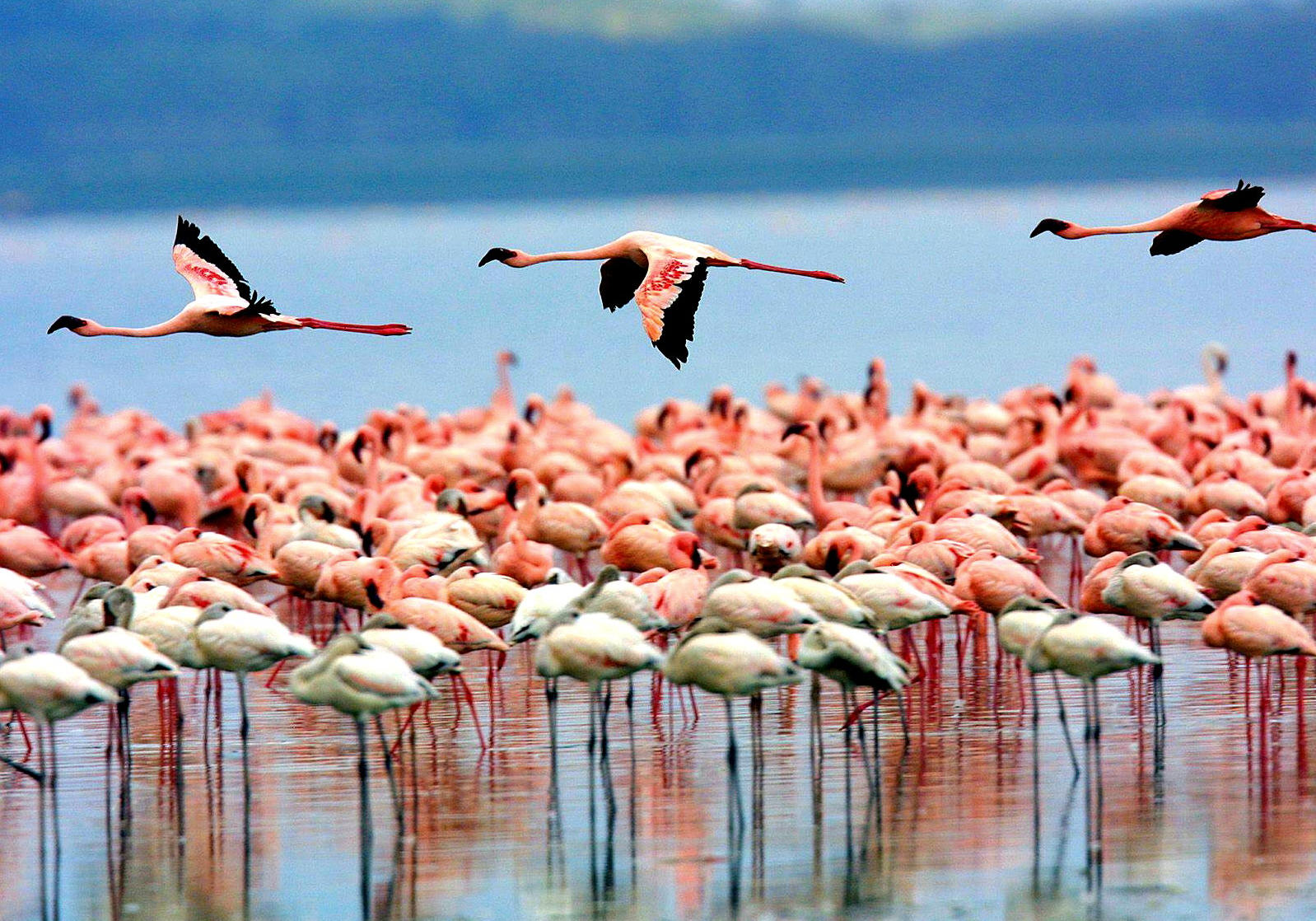
THE SHIMMERING PINK OF LAKE MAGADI

Drive to the center of the crater floor where a large, shallow soda lake attracts thousands of lesser flamingos. The bright pink avian super-flocks contrast vividly against the dark volcanic soil and golden savannah grasses.

NGORONGORO β€’ TANZANIA

Night Game Drive

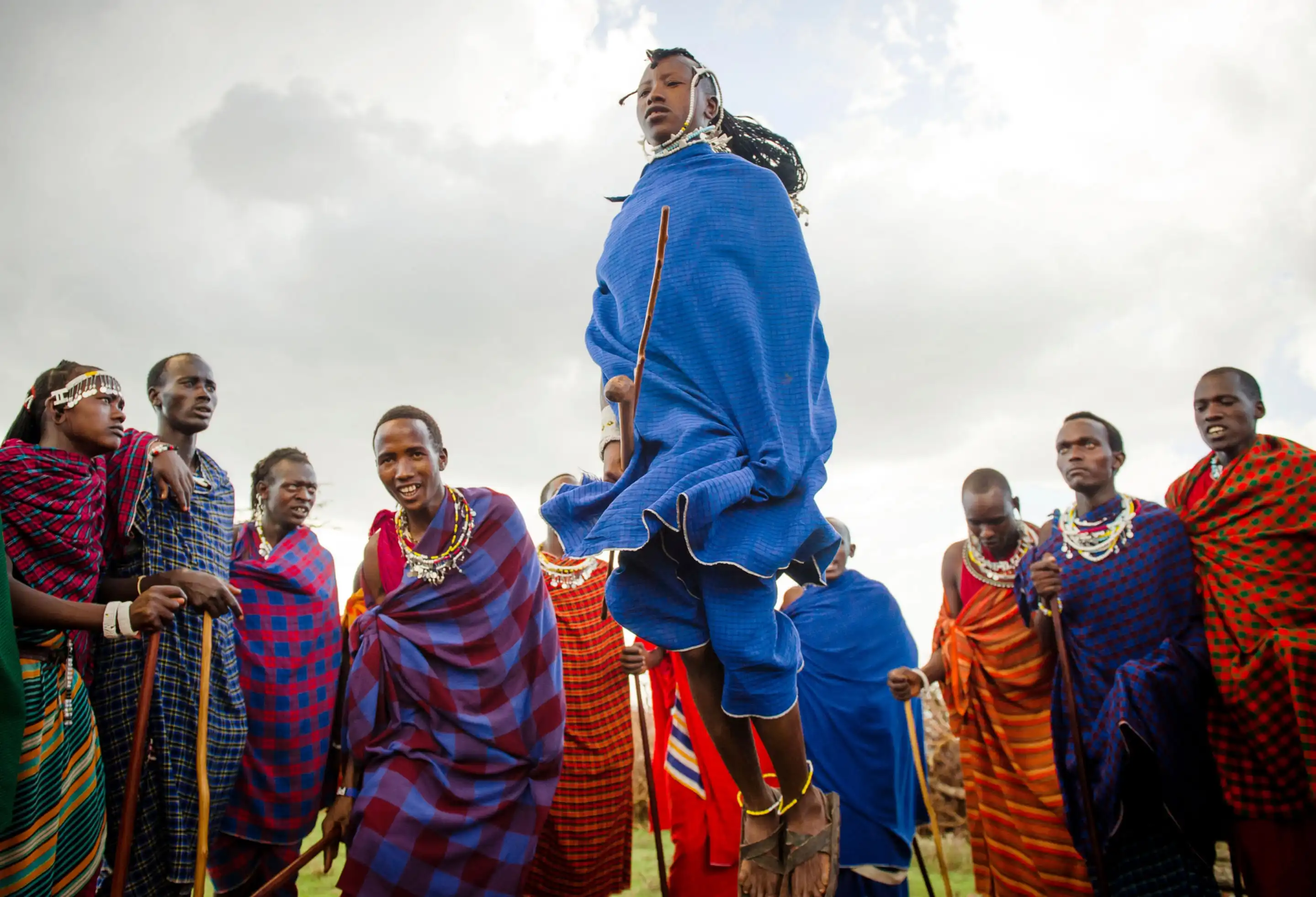
CULTURAL IMMERSION AT A MAASAI BOMA

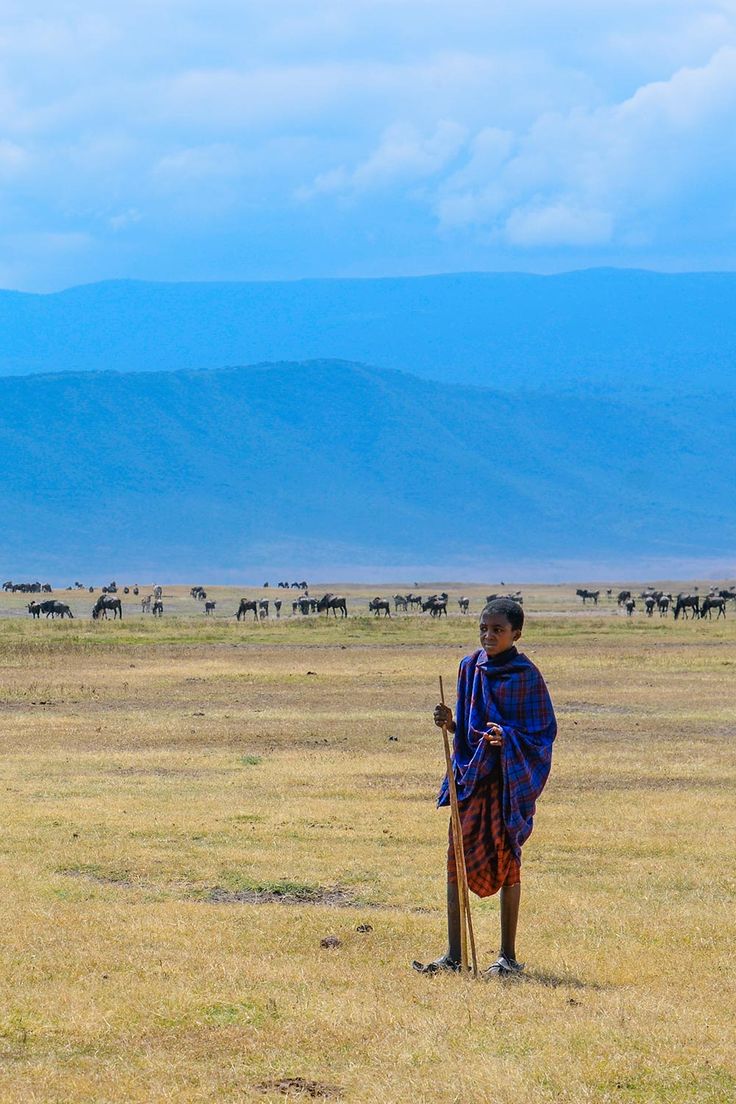
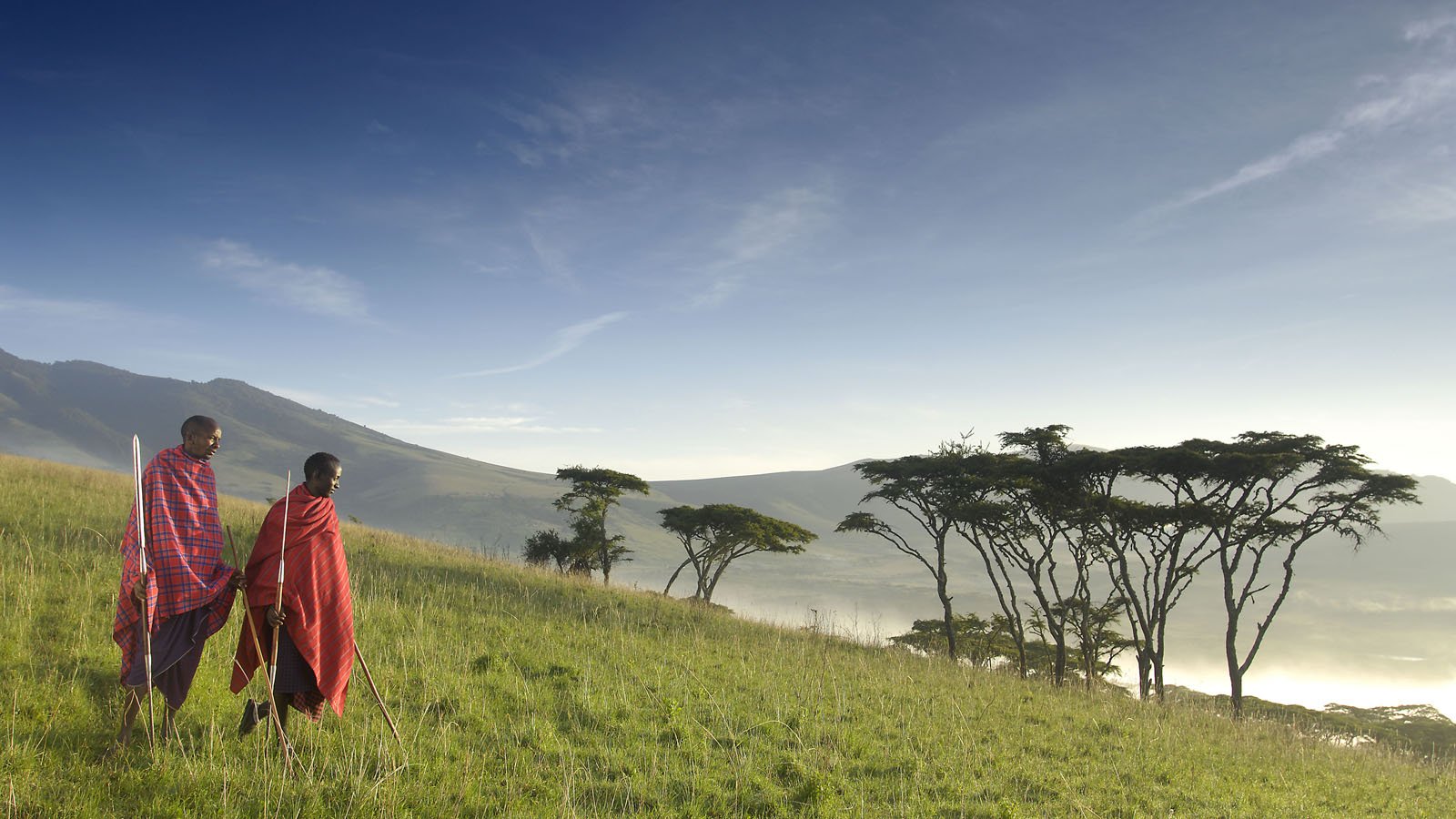
Visit a traditional homestead in the Ngorongoro Highlands. Meet the semi-nomadic Maasai pastoralists, participate in the iconic adumu jumping dance, and learn how they co-exist peacefully alongside the region's apex predators.

NGORONGORO β€’ TANZANIA

Bush Dining & Sundowners

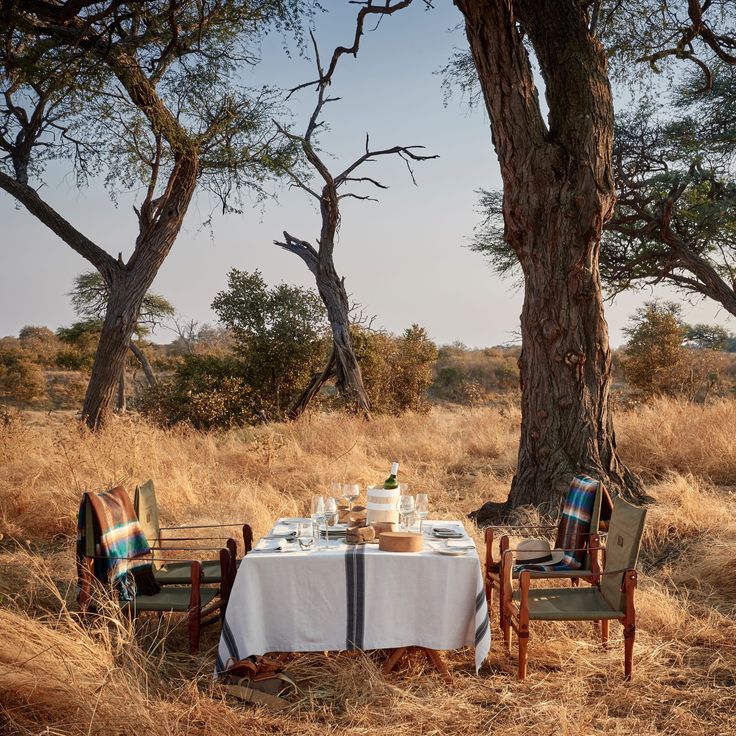
PICNIC IN THE LERAI FEVER TREE FOREST

Unwind under the yellow-barked canopy of an ancient acacia forest right on the crater floor. This shady oasis is a favorite haunt for massive, lone bull elephants with giant tusks, as well as elusive leopards hiding in the branches.

NGORONGORO β€’ TANZANIA

Regions of the Ngorongoro

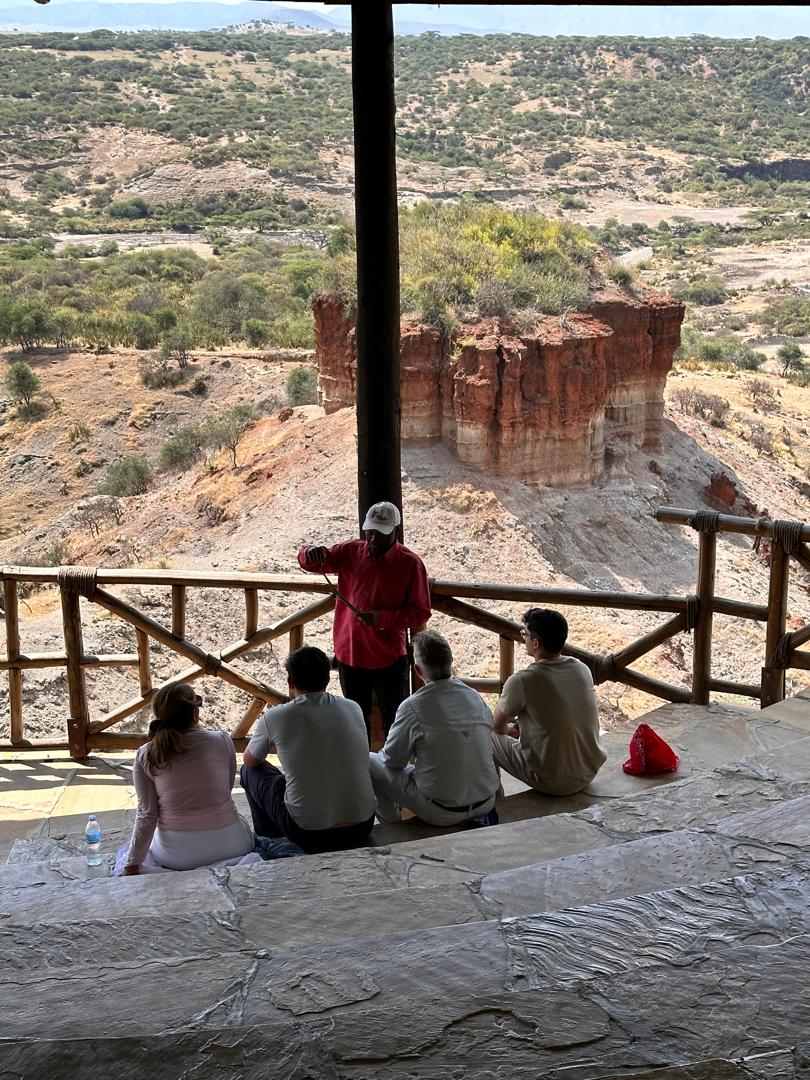
The Ngorongoro Conservation Area is a vast, dynamic ecosystem divided into four distinct regions, each offering its own unique wildlife spectacle and dramatic terrain. The Central Ngorongoro Crater acts as the park's primal heart, a closed-ecosystem capital providing legendary, year-round predator sightings amidst iconic caldera floor grasslands. To the west, the Ndutu Plains serve as a vast, high-stakes stage where the Great Migration gathers for the mass calving season over fertile volcanic soils from January to March. Northward, the Crater Highlands transform into a cinematic, montane oasis where ancient calderas like Empakaai and Olmoti host shimmering soda lakes and thousands of pink flamingos. Finally, the secluded Olduvai Gorge offers a mysterious sanctuary of steep ravines and fossilized history, serving as a private educational escape into early human evolution during the dry season transitions.

Tanzania

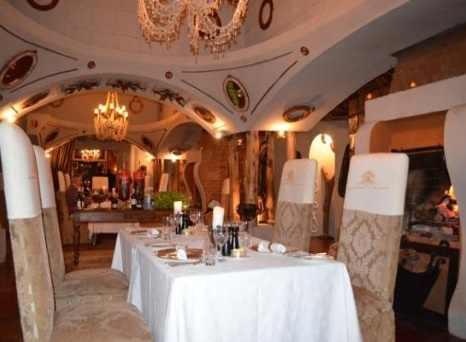
The Ngorongoro Crater Lodge

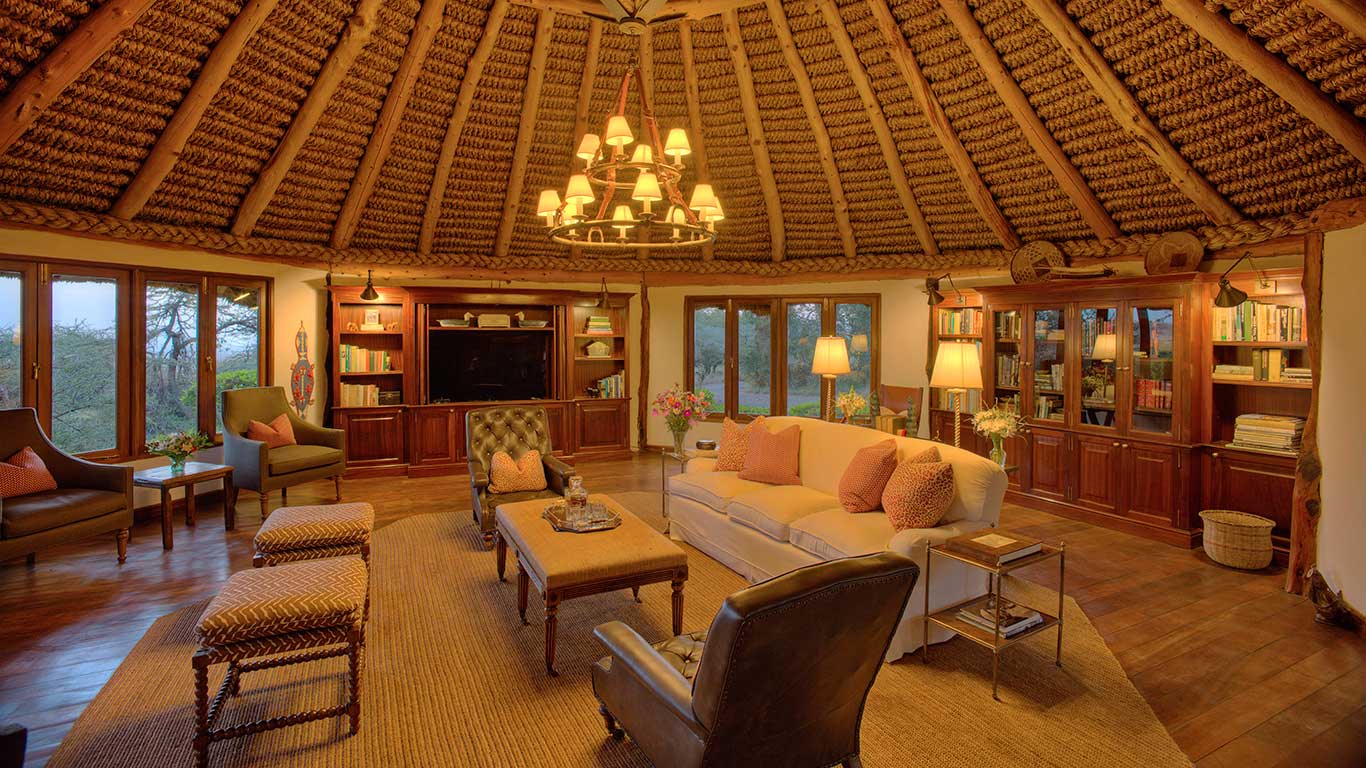
Serengeti House
Tanzania

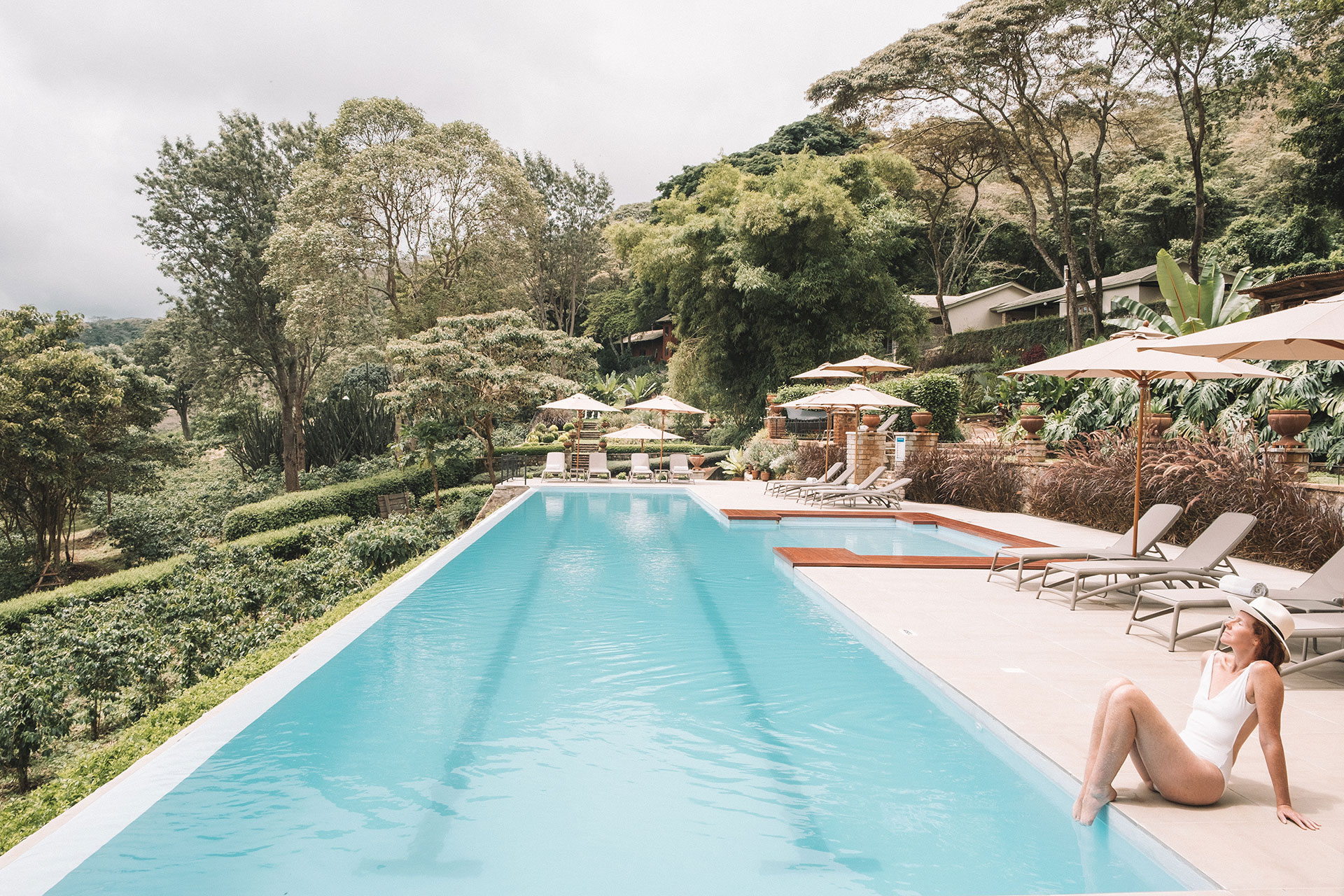
Gibbs Farm Ngorongoro

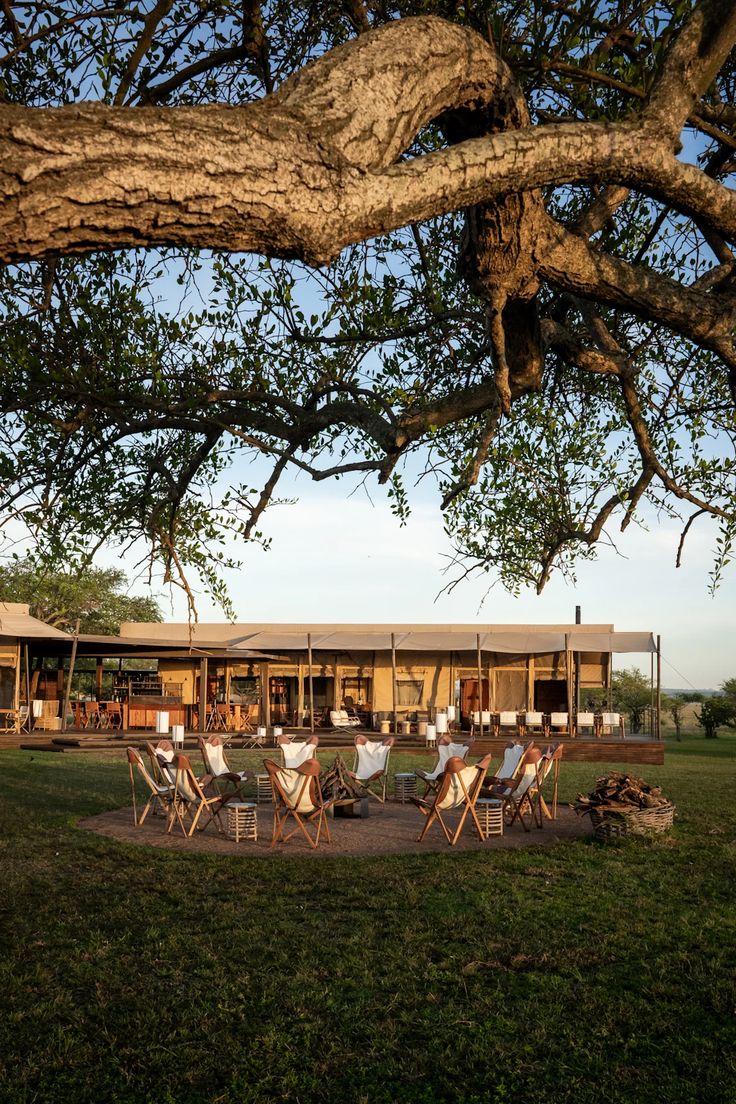
Nomad Lamai Serengeti
Tanzania

The Manor Luxury Lodge

Serengeti Bushtops Camp
Tanzania

The Plantation Lodge

Lemala Ewanjan Camp
Tanzania

Lemala Camps & Lodges

Four Seasons Serengeti
1 of 5
Section Background

The Ngorongoro Crater is calling. How will you answer?

A masterful Ngorongoro safari requires timing your descent to beat the crowds, choosing between the dry winter (June to October) for prime predator tracking or the lush green season for mist-shrouded photography. Because this volcanic amphitheater encloses resident wildlife year-round, your key choice is accommodation: balancing the dramatic vistas of luxury rim-side lodges with the sun-drenched privacy of Karatu coffee estates nearby. To maximize the magic, secure dawn permits to descend at first light before the midday rush, and pair your drives with a guided foot trek along the wild, untouched rim of neighboring Empakaai.

Ngorongoro Crater FAQs

Ngorongoro Crater is a UNESCO World Heritage Site and one of Africa’s most iconic destinations. It is the largest intact volcanic caldera in the world and is often called the β€œGarden of Eden” because of its stunning beauty and incredibly high concentration of wildlife.

Ngorongoro is one of the best places in Africa to see the Big Five. It has excellent populations of lions, elephants, buffaloes, and is one of the few places where you have a good chance of spotting black rhinos. You will also see large herds of wildebeest, zebra, hippos, and many other species.

Most visitors spend at least one full day in the crater. However, we highly recommend two days so you can enjoy morning and afternoon game drives and also have time for a cultural visit to a Maasai village on the crater rim.

No. For conservation reasons, no lodges or camps are allowed inside the crater. All accommodations are located on the crater rim, offering spectacular panoramic views over the caldera.

Yes. The descent into the crater is steep and requires strong 4x4 safari vehicles with experienced drivers. All our safaris use specially equipped Land Cruisers that are perfect for the rugged terrain inside the crater.