
The world's highest free-standing mountain. Seven distinct ecological zones. One unforgettable summit moment above the clouds.
Kilimanjaro rises from the savannah floor in one extraordinary sweep — from equatorial rainforest at its base to glaciers and frozen volcanic rock at its summit. It is a mountain that contains an entire continent within its slopes: five distinct vegetation zones through which every climber passes on their ascent to Uhuru Peak.
Unlike technical Himalayan climbs, Kilimanjaro requires no specialist mountaineering experience — but it demands respect, preparation, and time. The single greatest gift you can give yourself is choosing the right route: longer itineraries mean better acclimatisation and dramatically higher summit success rates.
Wild Frontiers equips every climber with KINAPA-certified guides, quality high-altitude gear, and a pre-climb acclimatisation briefing — so that when you step onto that summit crater rim at dawn, you arrive well-prepared for one of life's great moments.
Each route offers a distinct experience of the mountain. Select a route below to explore its character, difficulty, and what makes it unique.
 Most Popular Route
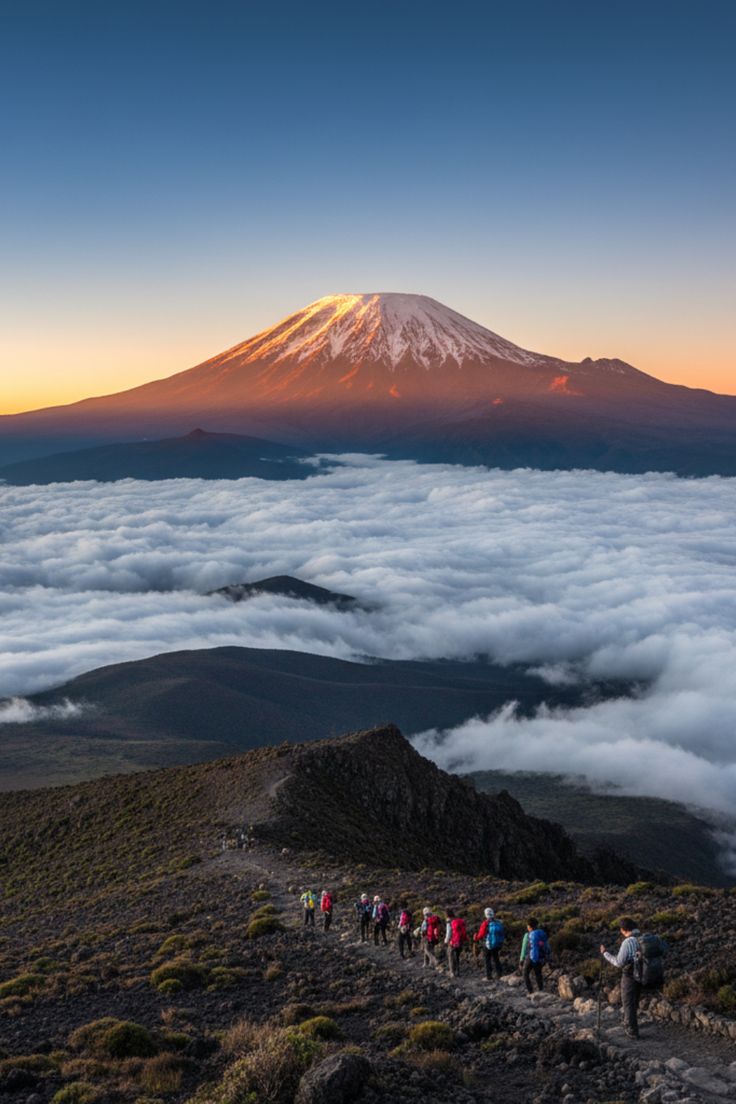
Machame Route
The Machame is Kilimanjaro's most celebrated route — a challenging, scenically spectacular ascent through dense rainforest, moorland, and across the dramatic Southern Glacier. The 7-day itinerary allows for superior acclimatisation with a high-low-high profile and remains our most recommended choice for fit, experienced hikers seeking full immersion in the mountain's landscapes.
 Best Acclimatisation
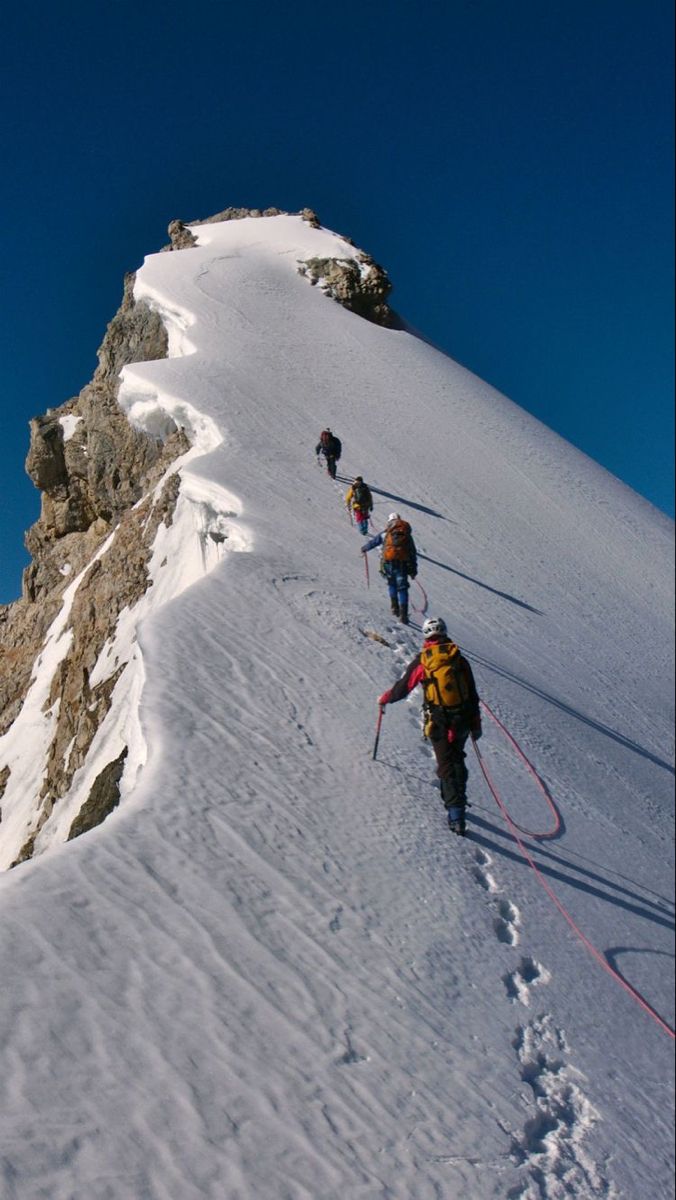
Lemosho Route
The Lemosho is our recommended choice for climbers who want the full Kilimanjaro experience — greater solitude in the early days, the best acclimatisation profile of any route, and breathtaking panoramic views across the Shira Plateau. Starting from the west, it traverses the entire mountain and shares the final summit push with Machame.
 Hut-to-Hut Comfort
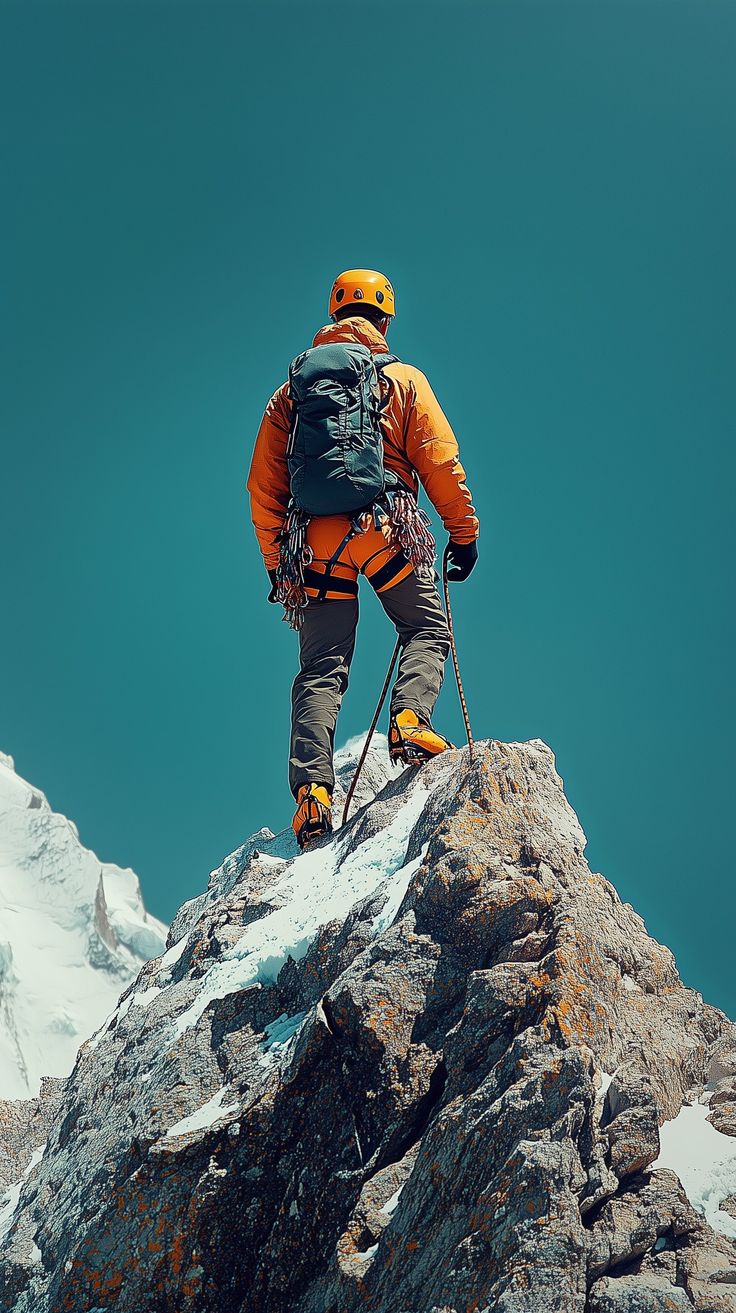
Marangu Route
Kilimanjaro's only hut-to-hut route, the Marangu is the oldest established path on the mountain — comfortable, well-trodden, and historically the most popular. Its shorter profile makes acclimatisation harder, so we recommend the 7-day variant for anyone who prioritises their summit chances over schedule.
 Northern Approach
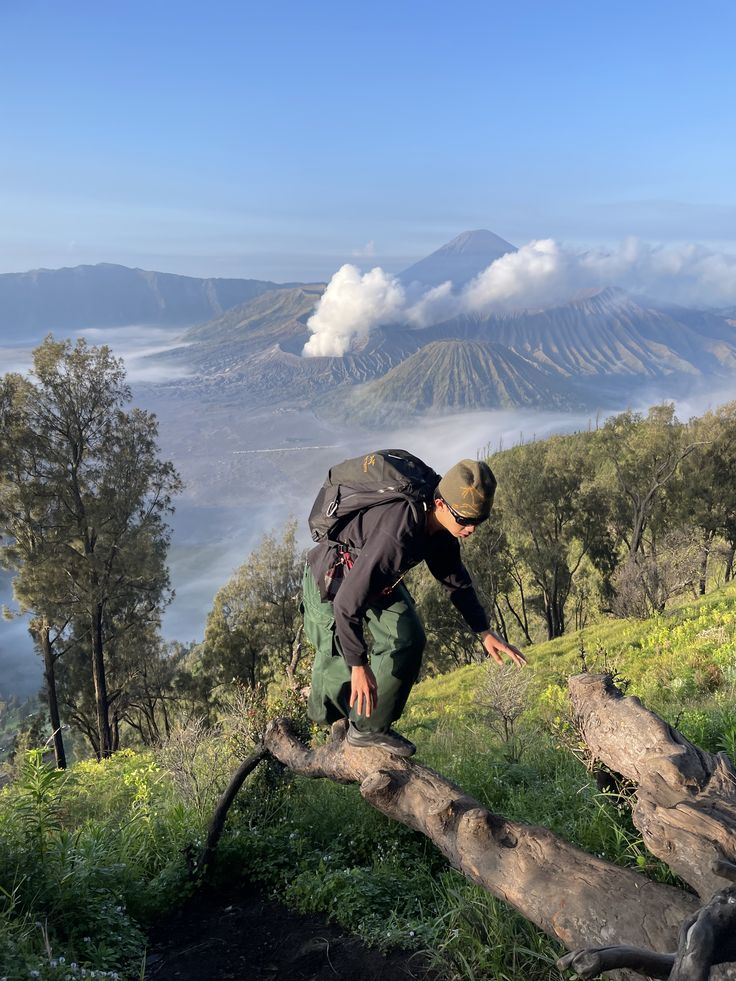
Rongai Route
Approaching from the Kenyan border on the mountain's drier north side, the Rongai is the quietest and most remote of the classic routes. Its gentle northern gradient makes it ideal for those seeking a more gradual ascent, and the final descent via the southern Marangu route provides a complete traverse of the mountain.
Climbing Kilimanjaro is unlike any other mountain experience — you ascend through five entirely distinct ecosystems, each with its own climate, flora, and atmosphere. Understanding what awaits at each level is part of the preparation.
Coffee and banana plantations on rich volcanic soil. The mountain's inhabited foothills where Chagga culture thrives.
Dense montane forest cloaked in cloud. Colobus monkeys, birds of prey, and the scent of damp earth greet every climber here.
Open heathland of giant heather and everlasting flowers. Wide views open up as the forest retreats. The first real altitude challenge.
A stark, lunar landscape of rock and scree. Temperatures plunge at night. Acclimatisation camps and summit preparation happen here.
Ice fields, glaciers, and the crater rim. At Uhuru Peak, on a clear morning, you can see the curvature of the earth. Nothing quite prepares you for it.
"When you stand at Uhuru Peak and the sun breaks over the horizon, there are no words. There is only silence, altitude, and gratitude."
— A Wild Frontiers climber, Machame Route 2024
No technical climbing skills are required, but cardiovascular fitness matters significantly. We recommend 3–4 months of regular hiking, stair training, and cardio before your climb. Day hikes with a loaded pack of 15–20 km are excellent preparation.
Acute Mountain Sickness (AMS) affects many climbers above 3,000m. Choose a longer route (7–8 days), ascend slowly, hydrate consistently, and listen to your body. We can discuss Diamox with your physician prior to departure. Never rush the mountain.
A full layering system is essential: moisture-wicking base layers, insulating mid-layers, and a waterproof shell. Summit night temperatures can drop to -20°C. Quality sleeping bags rated to -10°C minimum, and insulated, waterproof boots are non-negotiable.
Kilimanjaro can be climbed year-round, but the prime windows are January–March and June–October — when skies are clearest and the mountain is driest. Avoid the long rains of April–May and the short rains of November. January offers exceptional visibility.
Comprehensive travel insurance covering emergency evacuation is mandatory. Kilimanjaro has helicopter evacuation capability, but policies must include high-altitude rescue. Our guides carry supplemental oxygen, a pulse oximeter, and a Gamow bag on every climb.
Every Wild Frontiers Kilimanjaro team includes a certified lead guide, assistant guides (1:3 ratio minimum), personal porters, a mountain chef, and a medical officer on request. Your crew is the backbone of your success — and treating them well is part of our ethos.
Every Wild Frontiers Kilimanjaro expedition is personalised — your chosen route, your pace, your post-climb combination. Whether you summit Kili alone or pair it with a Northern Circuit safari or Zanzibar beach stay, we build your Tanzania journey from the ground up.
Tell us your preferred route, fitness level, and travel dates. Our climbing specialists will respond within 24 hours with a tailored proposal.
Begin Planning